Science news
Recent stories from university newsrooms, The Conversation, CORDIS, observatories and ScienceDaily, each sorted into the fields, countries and institutions it is about, and each linked to the original publisher. Narrow them below by subject, country, institution, source, words or period. A signed-in reader can follow any filtered view and be told when a new story matches it.
10,091 stories stored from the last six months.
-
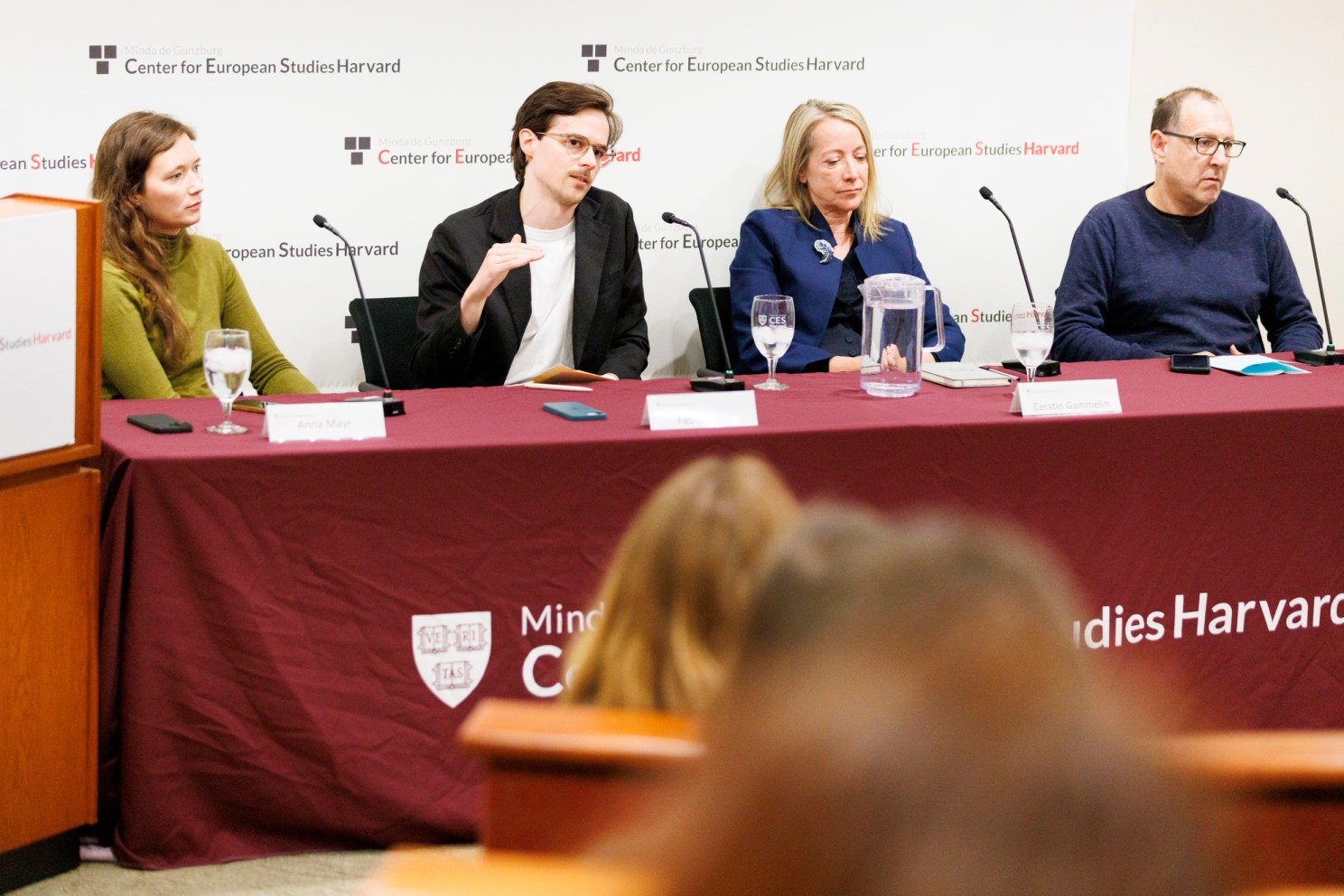
Far right’s breakthrough year in Germany (opens the original)
Panelists at the Center for European Studies weigh what AfD’s rise means for German politics
-
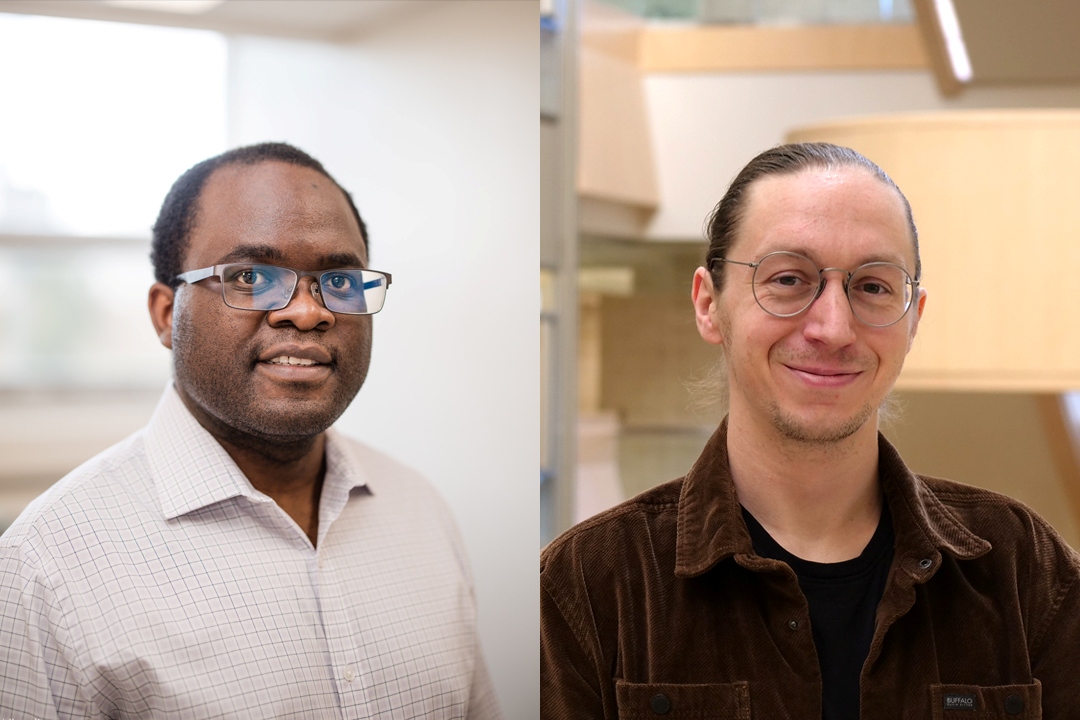
USask researchers receive new Canada Research Chairs in environmental sciences, protein sciences (opens the original)
Dr. Michael Wozny (PhD) and Dr. Edmond Sanganyado (PhD) were both named Tier 2 Canada Research Chairs (CRCs), while Dr. Kristina Bidwell (PhD)’s Tier 2 CRC was renewed
-
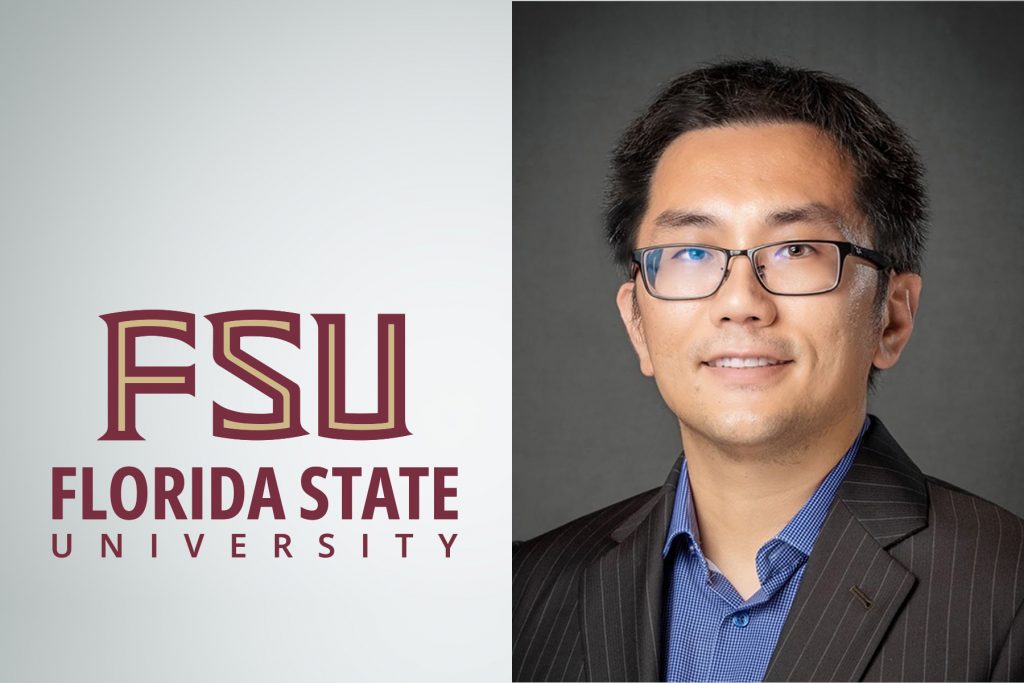
FSU Health informatics researcher named fellow of American College of Medical Informatics (opens the original)
Florida State University Professor Zhe He has been elected a fellow of the American College of Medical Informatics (ACMI), one
-
Featured Expert: Gregory D. Moody - Professor of Information Systems (opens the original)
Nevada regulators review NV Energy 2026 plan as data centers drive demand
-
Featured Expert: Kenneth Miller - Associate Professor of Political Science (opens the original)
Here's why data center campaign contributions to Nevada politics are rising
-
Featured Expert: Nicholas Irwin - Associate Professor of Economics (opens the original)
Nevada ranks 49th nationally in issuing housing permits, UNLV report finds
-
Seattle students research on the road with sensor-filled Ford Mustang (opens the original)
A Ford Mustang Mach-E equipped with sensors, cameras and an onboard computer puts real-time research at the fingertips of Seattle students.
-
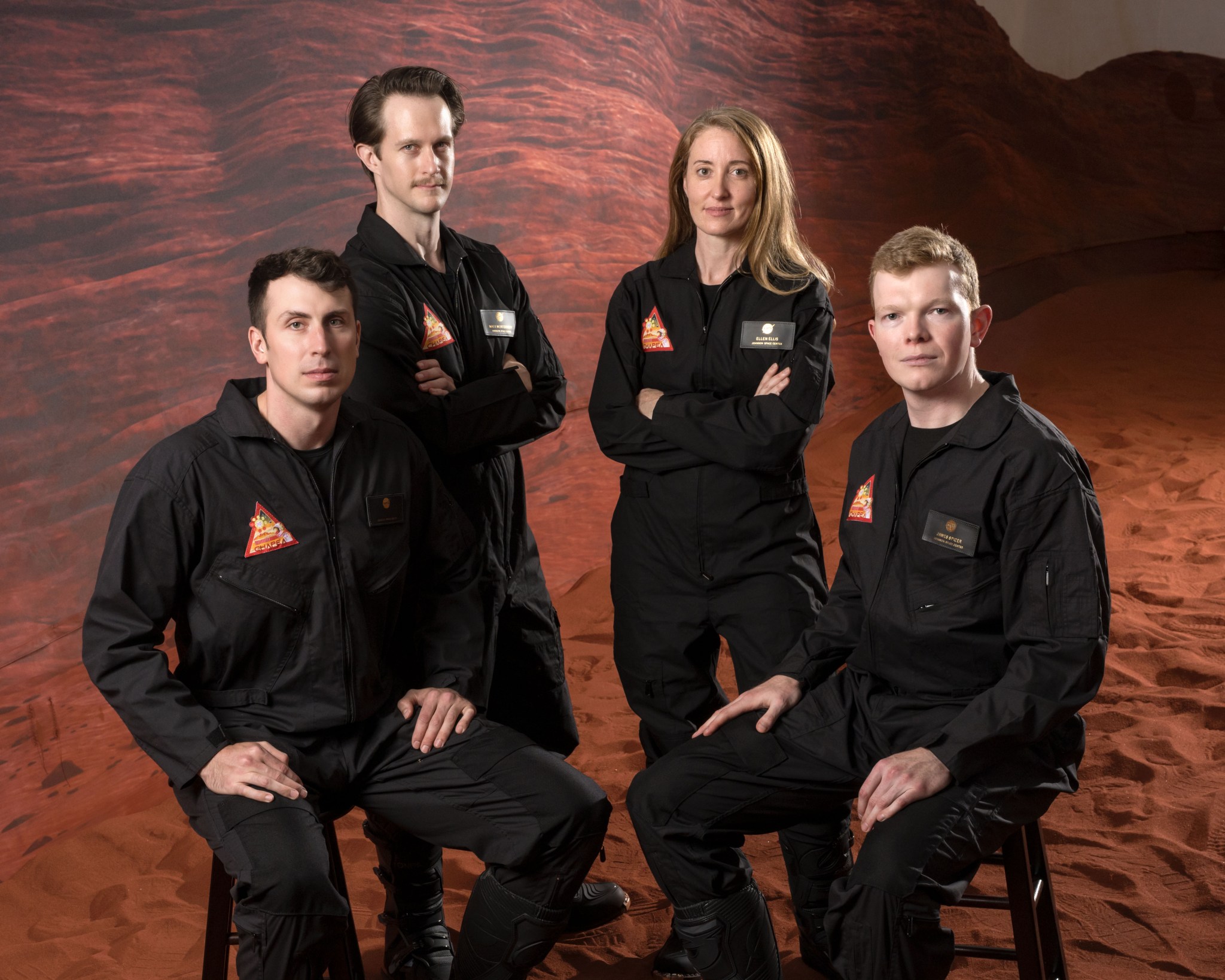
NASA Invites Media to Crew Completion of Yearlong Mars Simulation (opens the original)
The four volunteers who lived and worked in a simulated NASA Mars mission for more than a year will exit their habitat on Saturday, Oct. 31, after 378 days of isolation in a facility at the agency’s Johnson Space Center in Houston. Health and performance data collected from the simulation can help NASA develop methods
-
Rubin Observatory reveals its first dwarf planet candidate in our solar system (opens the original)
Using preliminary data from the Simonyi Survey Telescope at the NSF–DOE Vera C. Rubin Observatory, scientists have discovered a new dwarf planet candidate in our solar system. If confirmed, the distant world would join Pluto, Ceres, Eris, Haumea and Makemake as our system’s sixth official dwarf planet.
-
Medical Student Participated in Research on the Future of Human Talent in Healthcare (opens the original)
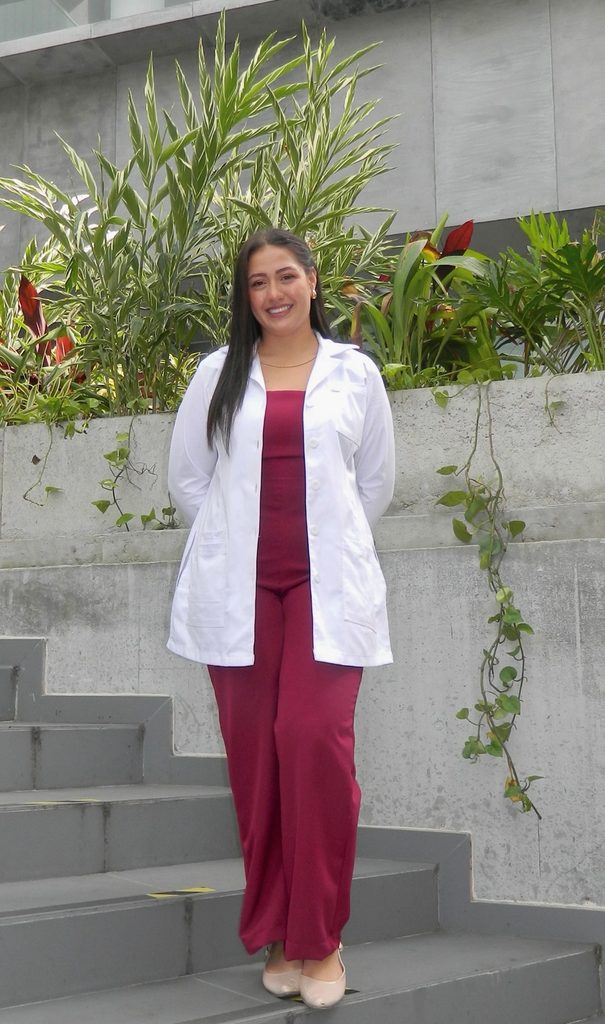
Scientific research at the Industrial University of Santander continues to make its mark on the international stage. On this occasion, Jennifer Jullieth Zárate Velandia, an eighth-semester medical student, served as a co-author of the article “Demographic transitions and the slow realignment of medical…
-
New ‘Quik Paws’ market opens at Veterinary Health and Education Center (opens the original)
Whether you are looking for coffee, lunch or a treat for your four-legged friend, Colorado State University’s new Quik Paws has you covered.
-
What makes a winning environmental campaign? We studied six decades of activism to find out
The most successful campaigns combine conviction with clear, specific goals.
-
What disability housing support could look like – beyond Australia’s outdated group home model
Alternative housing options for people with disabilities are working well overseas and in some pockets of Australia.
-
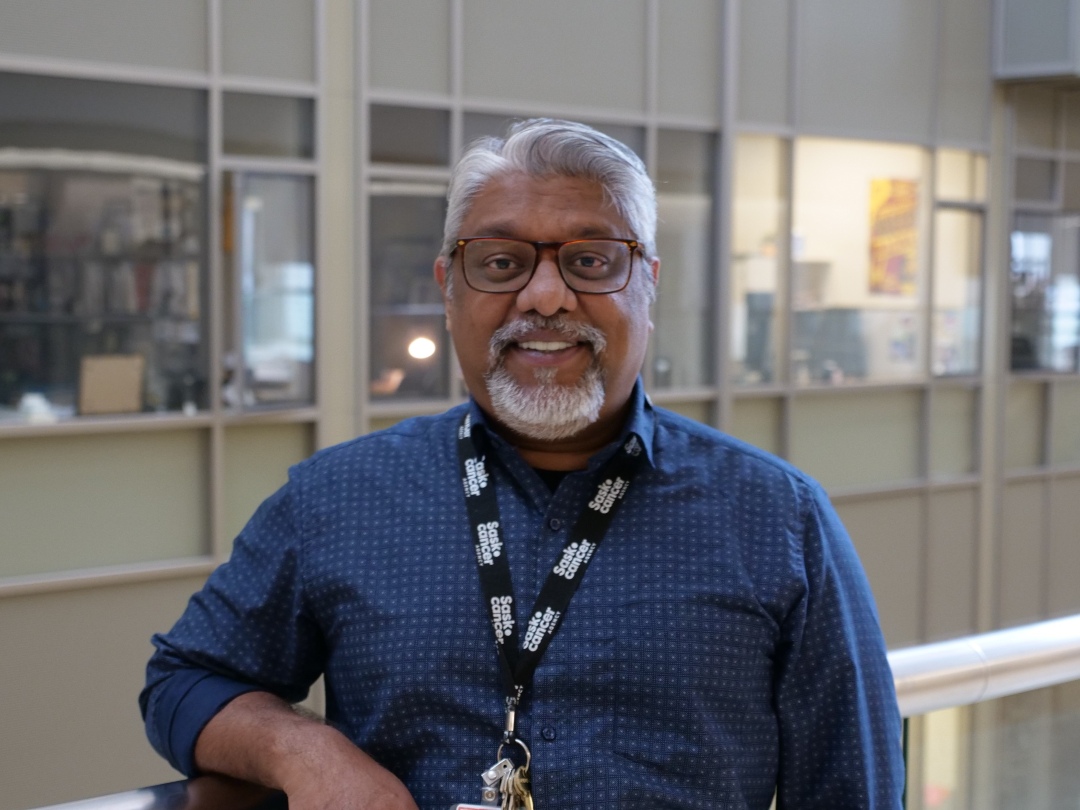
Signature Series research podcast: The future of cancer treatments with Dr. Franco Vizeacoumar (PhD) (opens the original)
Can we customize cancer treatments for patients, and what does that look like?
-
Why Republicans are on the back foot ahead of US midterm elections
Sitting presidents are almost always punished in the midterm elections – and 2026 is looking like it will be no exception.
-
A college-readiness program offers promising results for Nashville students, Peabody research finds (opens the original)
By Jennifer Kiilerich Access to college begins long before students fill out an application. The support they receive in high school can open doors that may have previously felt unavailable. New research from NashvillePeer affirms that a key college-readiness initiative at Metro Nashville Public Schools is helping…
-
Secure keys strengthen protected military satellite communications (opens the original)
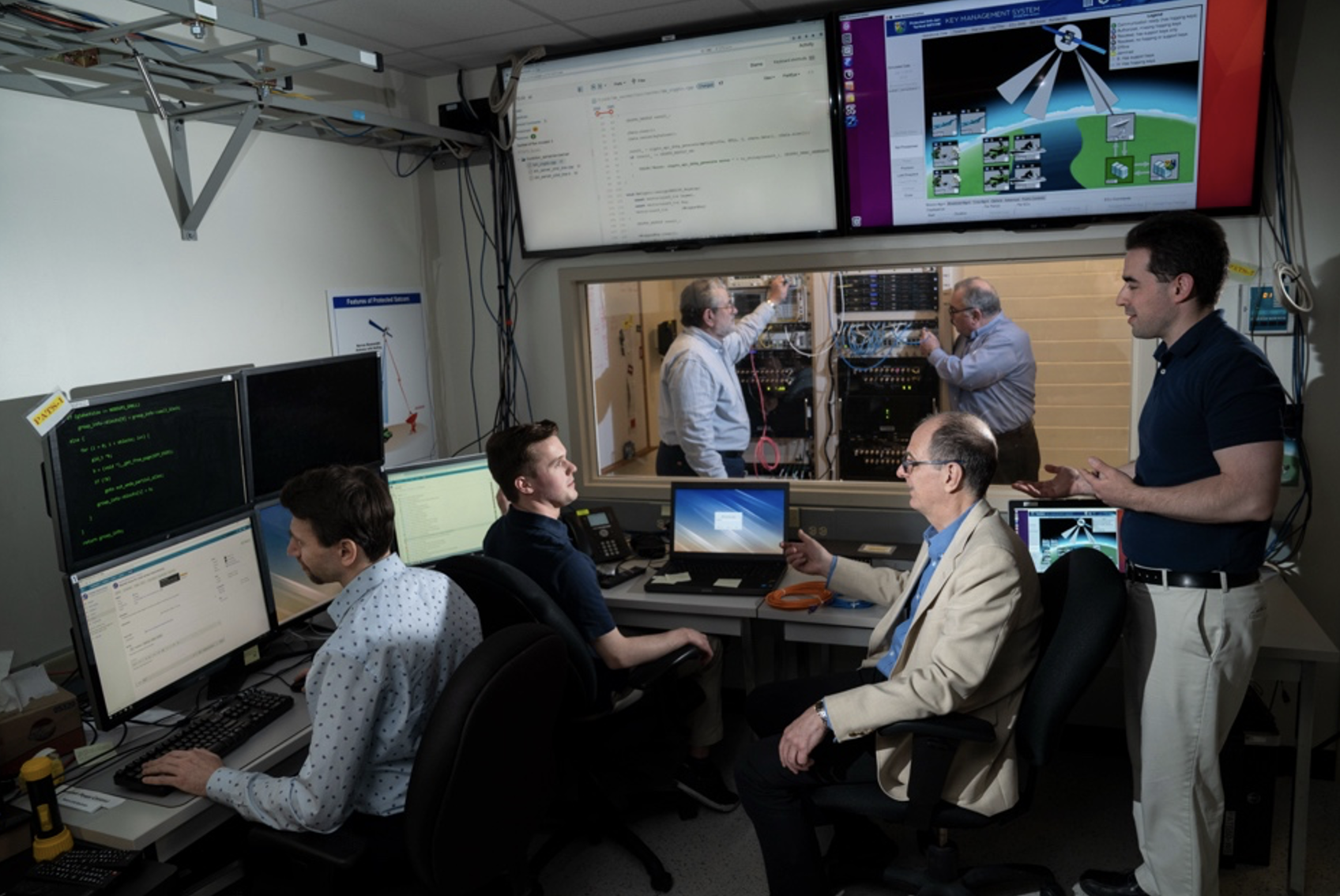
Lincoln Laboratory’s new key-management architecture solves the dilemma of how to refresh cryptographic keys securely, quickly, and widely for U.S. forces.
-
Nonclassical Light Instead of Entangled Light: SUSU Scientists “Get Closer” to the Quantum Cramér–Rao Bound (opens the original)
Researchers from South Ural State University have proposed a new algorithm for ultra-precise phase estimation of an unknown phase. This may be considered as a truly significant step forward in the development of the optical quantum metrology. As part of the implementation of the “Step into the Future” Viktor…
-
Why do people self-harm? The mind-body divide might hold some clues (opens the original)
Self-injury puzzles researchers and patients alike. New research links the problem with a blurred boundary between mind and body.







Read: The Conversation, CORDIS, ESO, NASA, ScienceDaily and the newsroom feeds of 751 institutions. Last read: today. Each story's date is its publisher's. Where the news comes from, and what each source allows.