Science news
Recent stories from university newsrooms, The Conversation, CORDIS, observatories and ScienceDaily, each sorted into the fields, countries and institutions it is about, and each linked to the original publisher. Narrow them below by subject, country, institution, source, words or period. A signed-in reader can follow any filtered view and be told when a new story matches it.
2,353 stories match these filters.
-
Drones could help weather forecasters more accurately predict winter storms
New types of drones are being tested that can collect air pressure data more often.
-
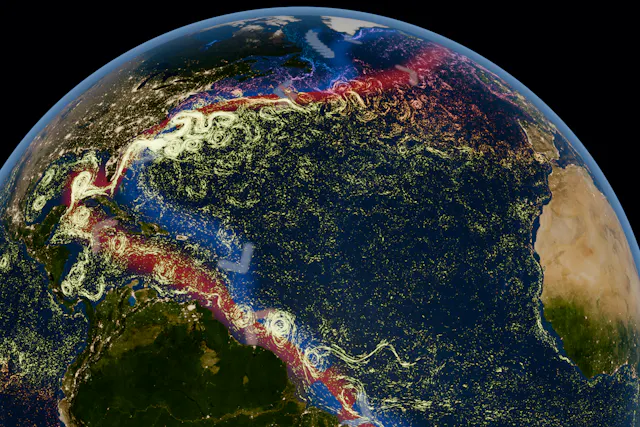
Key Atlantic currents could collapse this century, but the risk is missing from almost all national climate plans – new study
An Amoc collapse would dramatically alter the world’s climate – often in unexpected ways. Our new study shows how governments should prepare.
Picture: Brenden Jongman / NASA and NOAA data / Amoc pathways added schematically
-
Historic new observatory reveals two hidden companions of the Milky Way (opens the original)
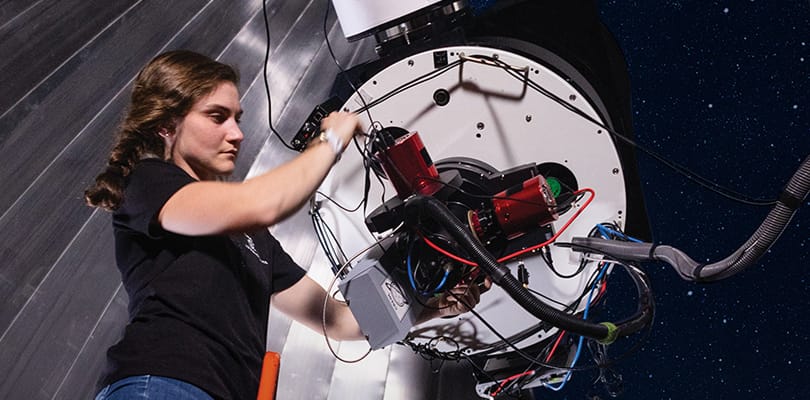
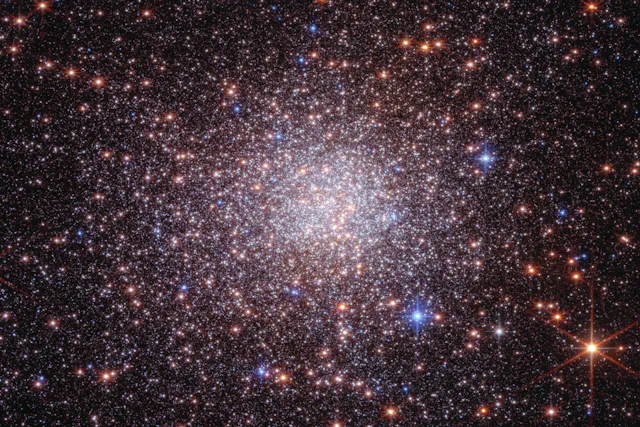
A team of researchers, including Yale astronomers, have discovered two new “satellites” orbiting the Milky Way.
-
FSU physicist awarded collaborative Department of Energy grant to develop models of quantum matter (opens the original)
A Florida State University condensed-matter physicist is part of a team exploring how quantum materials, which are materials that power
-
USF launches new, free online course aimed at understanding AI systems and responsible usage (opens the original)
Open to the public and requiring no technical background, USF’s free online microcourse helps learners understand how AI works, evaluate AI-generated content and use AI tools responsibly.
-
Webb Sees Turbulent Star Nursery (opens the original)
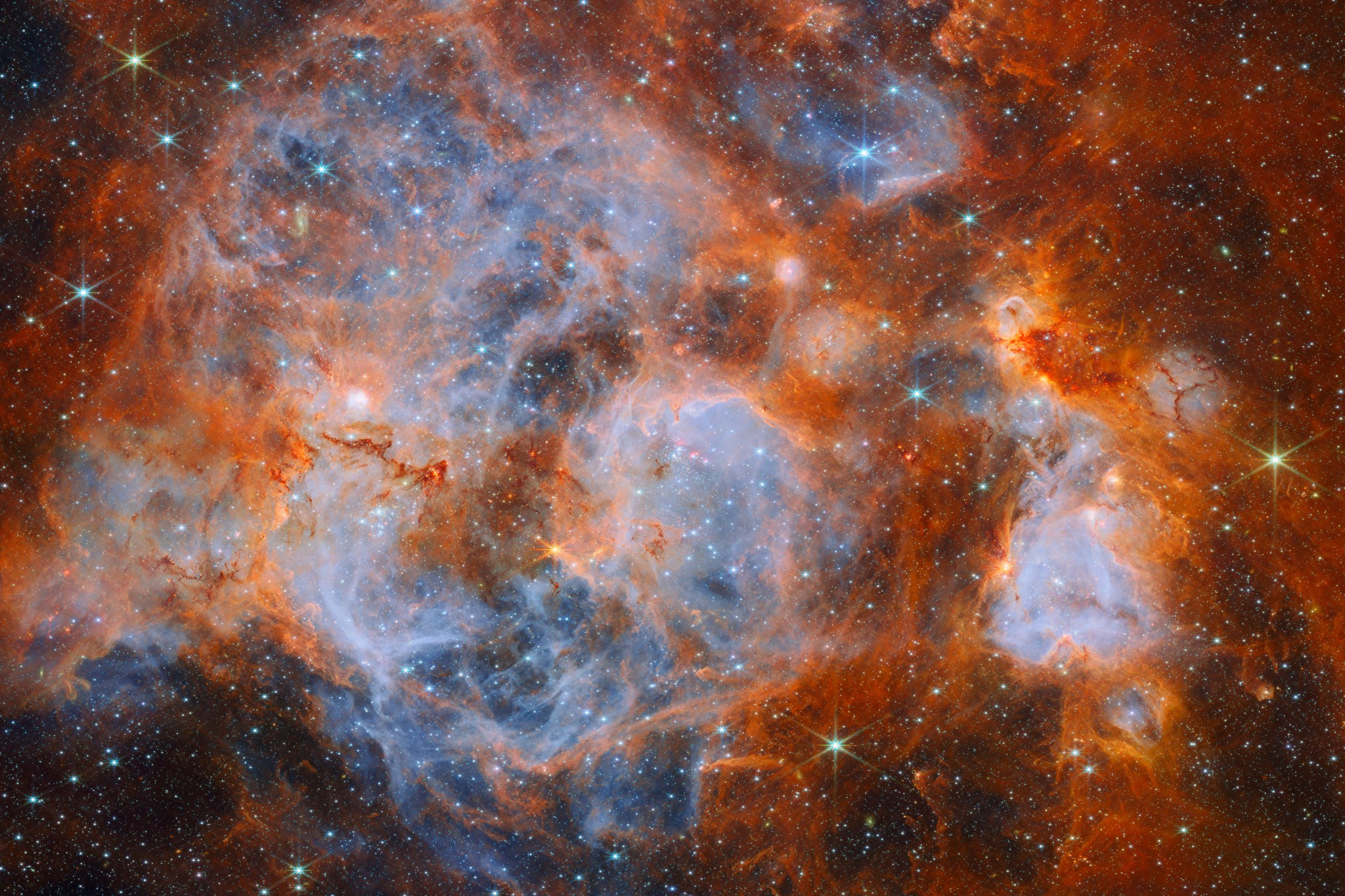
In this Webb image released on Oct. 22, 2026, we see a turbulent cauldron of star formation filled with dense clumps of gas. This region is named N159 and is located 161,000 light-years away in the Large Magellanic Cloud, one of the satellite galaxies orbiting the Milky Way galaxy. This region has a lower metallicity
-
Branching out: New study reveals when invasive pythons take to the trees (opens the original)
Effective management of invasive species often depends on not only understanding where the species lives, but how it behaves. In Big Cypress National Preserve, USGS scientists are uncovering new insights into the behavior of one of Florida’s most prolific invasive snakes – the Burmese python. A new study provides…
-
Borneo's wildfires could have a lasting impact on orangutans (opens the original)
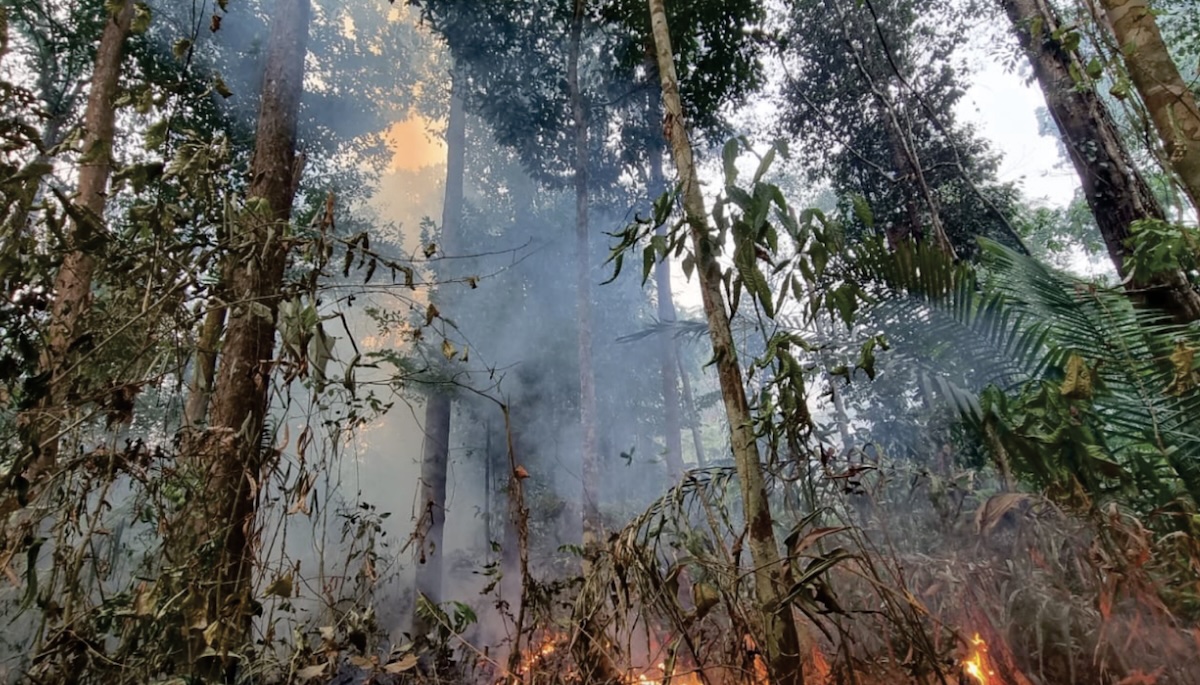
Scientists who studied the devastating fires in 2015 explain what the current crisis could mean for orangutans
-
Sea Level Rise Explained (opens the original)
Off wildix@noc.ac.uk Wed, 28 Oct 2026 - 14:46 Image Sea Level Rise Explained Climate Change and the Ocean What is Sea Level Rise? The ocean is rising, and it's picking up speed. Between 1924 and 2024, global mean sea levels have climbed by 21.05 centimetres, reshaping coastlines and putting…
-
Green Labs Certification Pilot (opens the original)
admin_sunway Wed, 10/28/2026 - 21:52 18 February 2026 FMLS research laboratories, Level 5 Organiser: FMLS Sustainability Committee Campus Faculty of Medical and Life Sciences Six FMLS laboratories piloted the My Green Lab certification, cutting single-use plastics and ultra-low freezer…
-
EU’s new Arctic strategy signals shift in its geopolitical mindset
The EU has unveiled its first Arctic strategy since Russia’s invasion of Ukraine.
-
UIS Promotes Research and Scientific Training Through SimQM QO 2026 (opens the original)
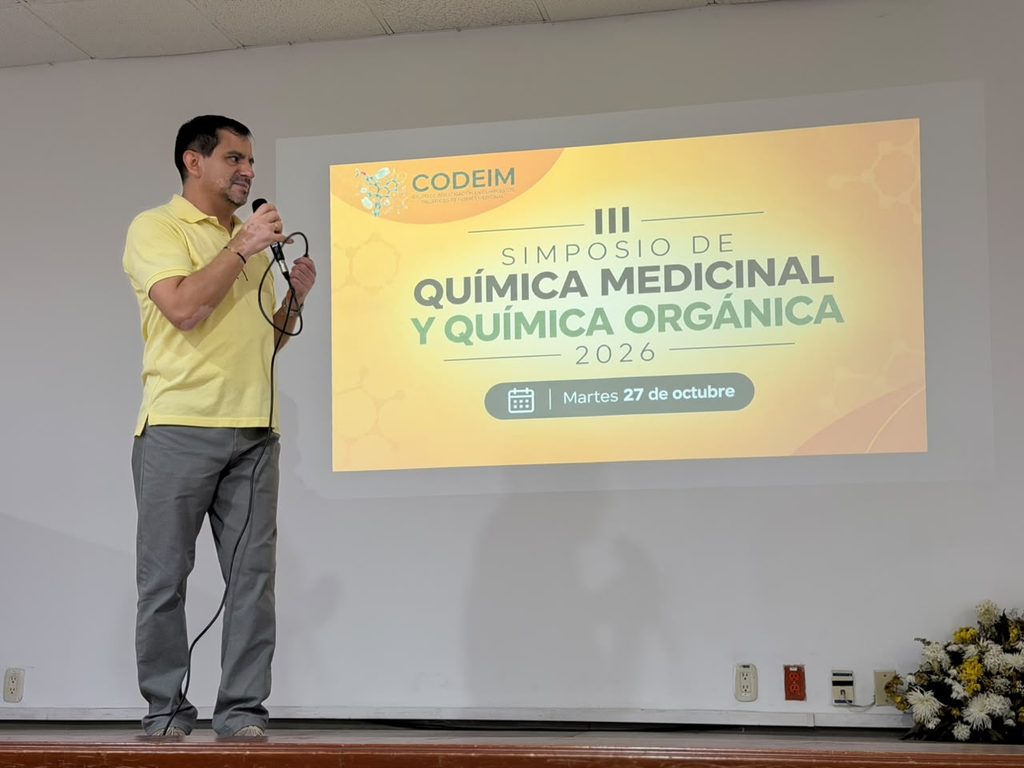
The School of Chemistry at the Industrial University of Santander (UIS) is hosting the third edition of the 2026 Symposium on Medicinal Chemistry and Organic Chemistry (SimQM QO), an academic event designed to showcase advances, research findings, and scientific contributions in these fields, while promoting public…
-
UCF Engineers Develop Digital Rover Twin to Help Navigate Future NASA Missions (opens the original)
UCF researchers are exploring digital-twin technology that could help operators simulate rover movements in real time, with potential applications for future space missions.
-
Falcon 9 ushered in the modern space economy – retiring it could leave the industry vulnerable
SpaceX’s Falcon 9 rocket has allowed NASA, private companies, universities and nonprofits alike to launch satellites, spacecraft and even astronauts to orbit.
-
Why over two-thirds of Americans say their country is in decline
A recent national survey reveals a US electorate that is unsettled, gloomy and likely looking for political change.
-
AI may quickly generate ideas, but working with people leads to more creative ones
A recent experiment found that people working with ChatGPT generated fewer unique ideas than those who collaborated with other humans.
-
What is artificial general intelligence – and is it already here?
There has been a vigorous debate over how to recognise the threshold when it is reached.
-
The hydrogen atom: the raw material of the universe barely exists on Earth – now we’ve made it in a flask
The hydrogen atom: the universe built almost everything with it. Synthetic chemists are only just learning to use it in the lab.
-
Study finds Amazon rainforest now releases more carbon than it absorbs (opens the original)
A new study in Nature by an international team of researchers, including from the University of Kansas, shows the hotter, drier Amazon is a net source of global carbon emissions.





Read: The Conversation, CORDIS, ESO, NASA, ScienceDaily and the newsroom feeds of 753 institutions. Last read: today. Each story's date is its publisher's. Where the news comes from, and what each source allows.