Science news
Recent stories from university newsrooms, The Conversation, CORDIS, observatories and ScienceDaily, each sorted into the fields, countries and institutions it is about, and each linked to the original publisher. Narrow them below by subject, country, institution, source, words or period. A signed-in reader can follow any filtered view and be told when a new story matches it.
2,353 stories match these filters.
-
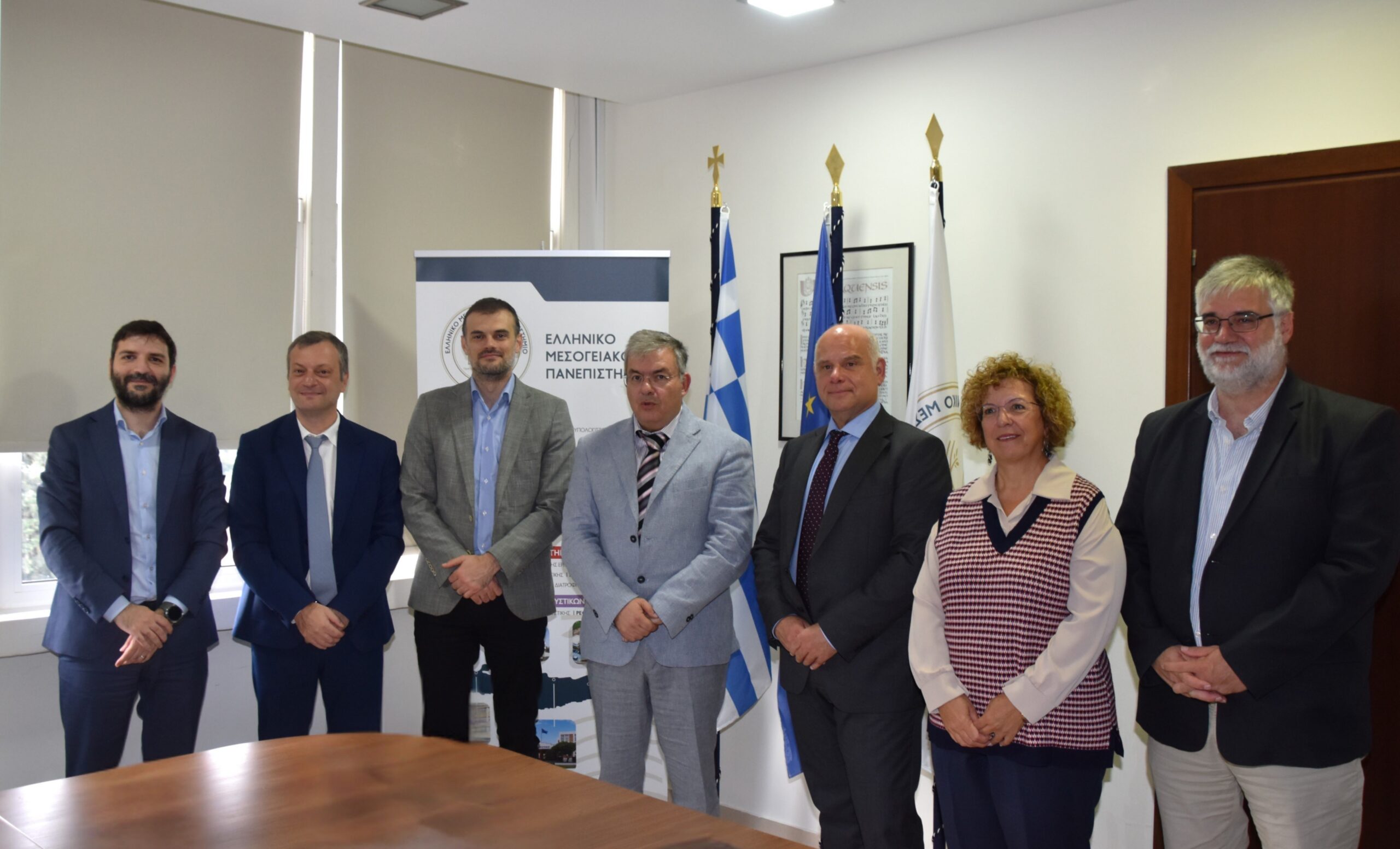
UConn to Advise Greece on Energy Resilience and Safety (opens the original)
The Alexandroupolis region of Greece has become an important gateway for natural gas supply to southeastern and central Europe following Russia’s invasion of Ukraine. UConn will provide expertise to ensure energy resilience, environmental safety, and economic development for the region
-
Werewolf mice, ghostly frogs and cockroach zombies: the animal versions of our Halloween horrors
They have creepy tendencies but these animals are real not fictional.
-
Werewolf mice, ghostly frogs and zombie cockroaches: the animal versions of our Halloween horrors
They have creepy tendencies but these animals are real not fictional.
-
Scientists map a distant planet’s atmosphere for the first time – and it’s lopsided
A new method reveals the skewed shape of a distant planet’s atmosphere.
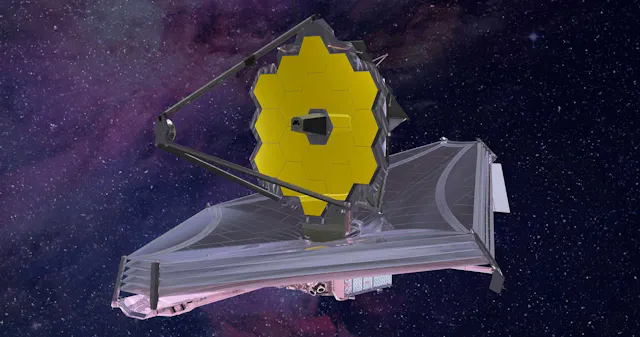
Picture: Northrop Grumman
-
Decoding the Complexity of Water: Using Causality to Investigate How Water Molecules Move (opens the original)
Decoding the Complexity of Water: Using Causality to Investigate How Water Molecules Move /en/news/decoding-complexity-water-using-causality-investigate-how-water-molecules-move ramani Thu, 29 Oct 2026 - 11:36 The results have…
-
Magnetic sensors track muscle movement, for better prosthetic limb control (opens the original)
Researchers hope to use these sensors to help people with amputation achieve more natural movements with their prosthetic limbs.
-
New research demonstrates stability of phosphate oxygen isotope in lake sediments (opens the original)
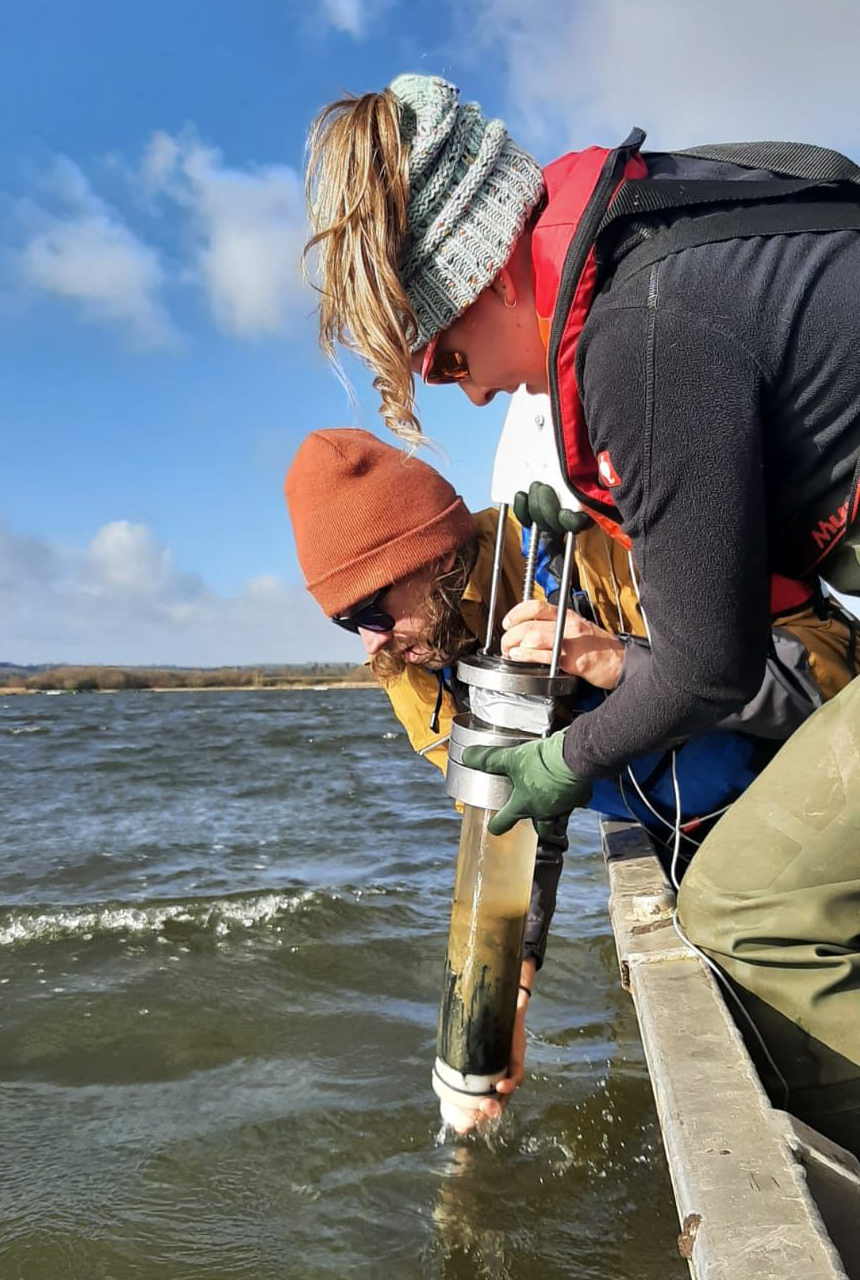
The discovery could boost research into past environmental conditions, tracking nutrient pollution and examining the impacts of freshwater management.
-
From coconut waste to sustainable food products (opens the original)
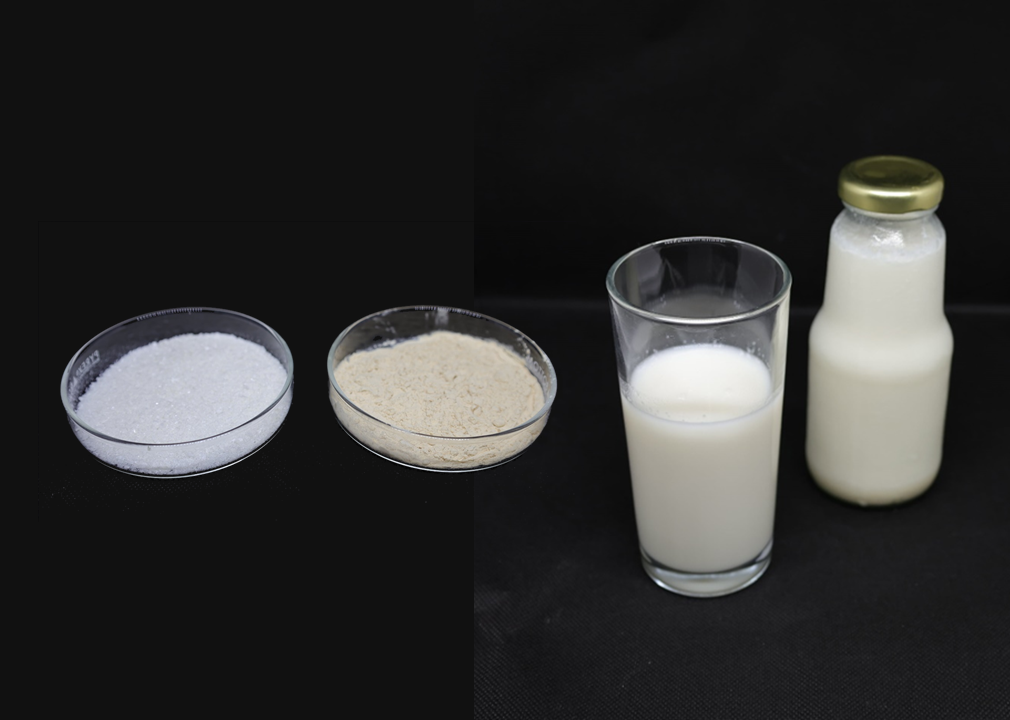
Coconut waste can be turned to a plant-based protein milk alternative. A by-product often discarded during virgin coconut oil (VCO) production could become a valuable source of plant-based protein. This was what a research team from UP Diliman (UPD) uncovered when they looked for ways to turn coconut skim milk into a…
-
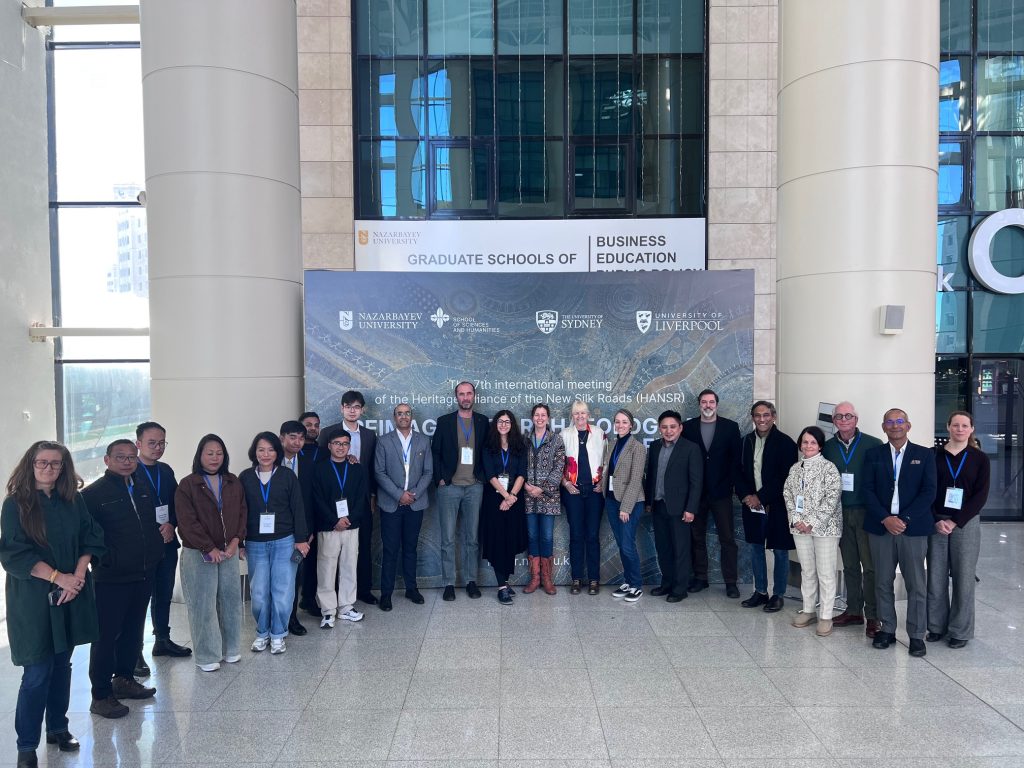
Can Artificial Intelligence Be Trusted to Study the Past? Archaeologists Discuss Emerging Challenges (opens the original)
International conference at Nazarbayev University examines how artificial intelligence, digital tools and open-access data are transforming archaeological research – and raising new questions about cultural heritage protection. How can artificial intelligence help document the past without compromising cultural…
-
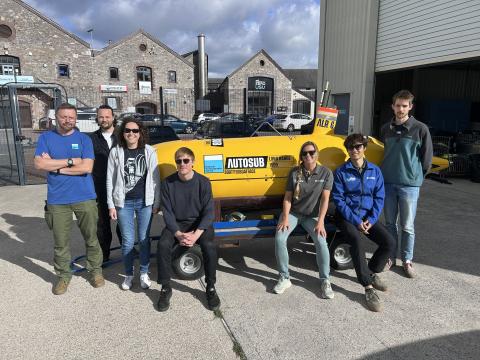
NOC's Autosub Long Range tests new ocean monitoring technologies for floating offshore wind (opens the original)
Image elefro@noc.ac.uk Thu, 29 Oct 2026 - 08:04 Related Content Autosub Long Range Autonomous Underwater Vehicles Inside NOC with Earth Minutes: Marine Autonomy Watch Support Us On Open in new tab Open in same tab Be part of…
-
Unique combination of monitoring technologies put to the test in Plymouth (opens the original)
The University led a collaborative marine autonomy trial to advance understanding of the impacts of floating offshore wind deployments
-
IU Liberal Arts English professor expands student access through open educational resources (opens the original)
When Jennifer Price Mahoney, teaching professor and senior lecturer of English in the Indiana University School of Liberal Arts, set out to redesign course materials for general education course ENG-W 131: Reading, Writing, and Inquiry, her goal was to ensure that every student had immediate access to the resources…
-
University showcases AI leadership at regional summit (opens the original)
The University of Liverpool played a leading role in this year’s Liverpool City Region International AI Summit, which attracted more than 800 delegates to explore how artificial intelligence is transforming industries and society. Now in its third year, the University has been a sponsor of the regional AI Summit…
-
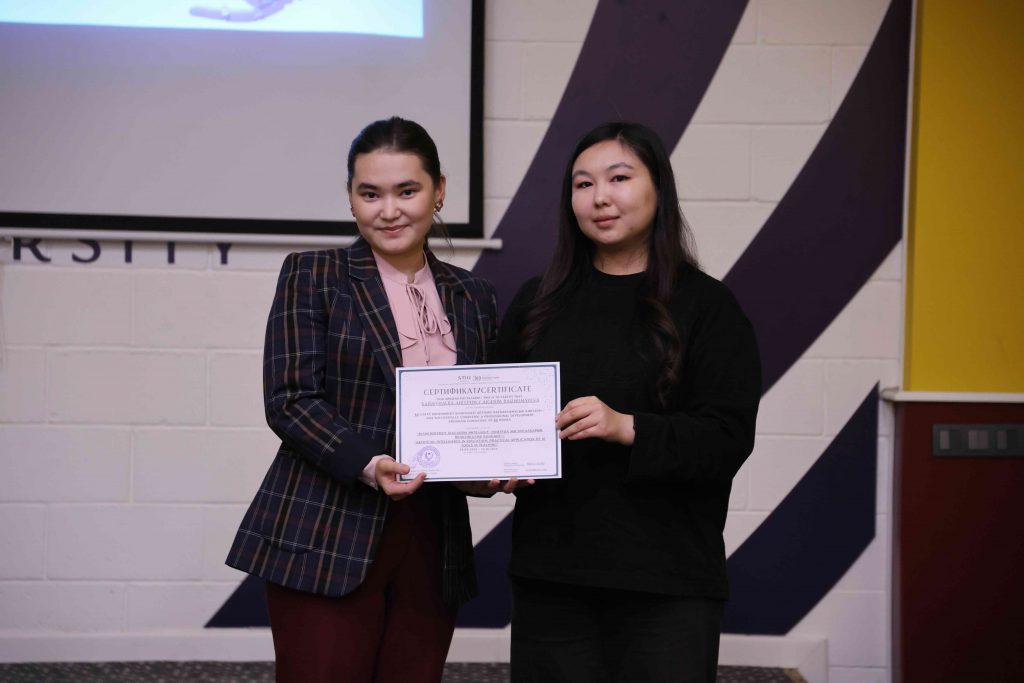
Artificial Intelligence in Education Course Successfully Completed (opens the original)
SDU Extension Center has successfully completed its 80-hour professional development course, “Artificial Intelligence in Education: Practical Application of AI Tools in Teaching”. A total of 101 educators participated in the course, and 84…
-
Grand Theft Astro (opens the original)
Magnetic fields exist in many stars, including the Sun. Yet they remain too poorly understood to be reliably included in stellar evolution models, limiting their accuracy. Now, a new study by researchers at the Institute of Science and Technology Austria (ISTA), published in Astronomy & Astrophysics, shows why a…
-
Is high-speed rail generally safe? What can Australia learn from Spain’s accident?
Rail travel, including high-speed rail, generally has an excellent safety record – better than travelling by car.
-
New Joining Technology a Key Enabler of Carbon-Free Electricity (opens the original)
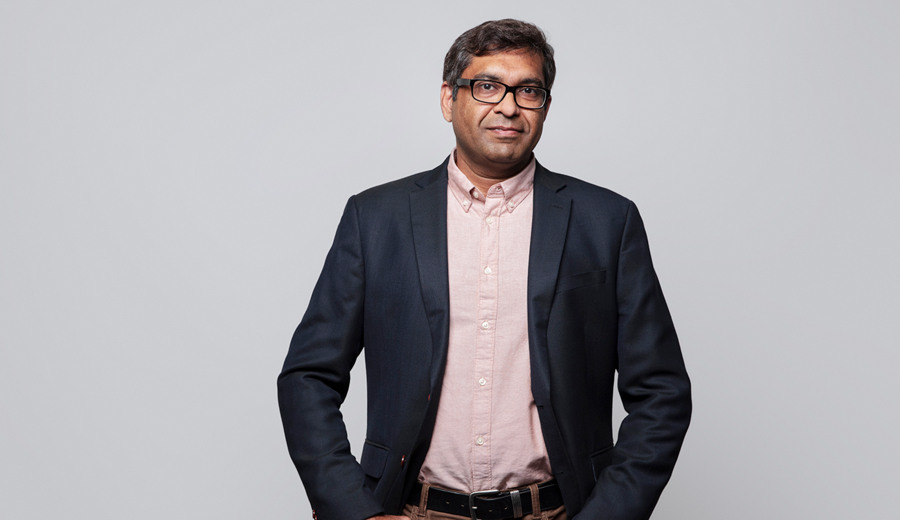
A new joining method capable of withstanding extreme temperatures could help secure a place for Swedish research and industry in the rapidly growing international fusion sector. Farid Akhtar, Professor of Engineering Materials, has now been named Innovator of the Year at Luleå University of Technology for his…
-
Grok can launch a thousand ships – but this AI remake of the Odyssey can’t make us feel
Why can AI create a passable landscape for a few seconds, but fail to capture a fully fledged world, make characters look lifelike or tell a story that moves us?
-
APOD: 29 October 2026 – The Horns of Venus (opens the original)
APOD Science APOD APOD: 29 October 2026 – The… Today’s APOD Archive Submissions Index Search Calendar RSS Education About Discuss APOD Astronomy Picture of the Day Discover the cosmos! Each day a different image or photograph of our fascinating universe is featured, along with a brief explanation written by a professional astronomer. The Horns




Read: The Conversation, CORDIS, ESO, NASA, ScienceDaily and the newsroom feeds of 753 institutions. Last read: today. Each story's date is its publisher's. Where the news comes from, and what each source allows.