Science news
Recent stories from university newsrooms, The Conversation, CORDIS, observatories and ScienceDaily, each sorted into the fields, countries and institutions it is about, and each linked to the original publisher. Narrow them below by subject, country, institution, source, words or period. A signed-in reader can follow any filtered view and be told when a new story matches it.
9,555 stories stored from the last six months.
-
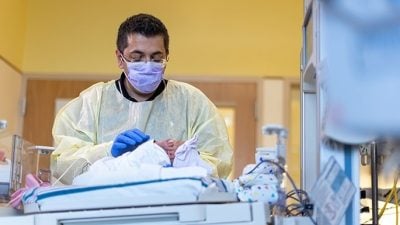
Premature birth alters the brain’s developmental clock (opens the original)
When a baby is born prematurely, their cerebellum grows and develops in a different way than it would if the baby remains in utero full term.
-
Information Systems Student Amy Chen Uses AI to Study Ozone Damage in Plants (opens the original)
Stony Brook University Information Systems major Amy Chen ’27 is developing AI tools to identify ozone damage in plant leaves. Her work earned her recognition as URECA’s October 2026 Researcher of the Month. Chen, a WISE honors student minoring in Environmental Studies, began research with Guanyu Huang in March 2025…
-
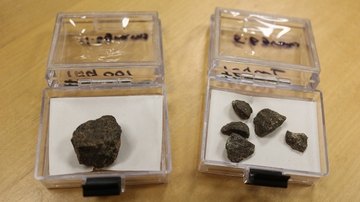
NASA-funded Study Details One of Oldest Mars Meteorites Ever Found (opens the original)
When a rose-colored meteorite was found in the Sahara Desert in 2022, no one knew how old it was or where it came from. Not until NASA-funded scientists age-dated its minerals did they realize the nearly 2-pound (800-gram) rock was a piece of Mars that formed more than 4.1 billion years ago, making it one
-
Humboldt Now for Monday, November 2 2026 (opens the original)
mlh64 Thu, 10/29/2026 - 11:16 This Week's Feature Latest News In Case You Missed It Campus Achievements Faculty: Mihai Tomescu, Biological Sciences » Botany Professor Mihai Tomescu led an editorial team including scientists from the University of Montpellier (France)…
-
UNM scientists help uncover 4.1 billion-year-old Martian meteorite revealing clues to planet's ancient past (opens the original)
Scientists at the University of New Mexico have played a key role in identifying a rare, 4.1-billion-year-old Martian meteorite that provides new evidence that the Red Planet may have once had a wetter, Earth-like environment. The discovery, titled “A Martian meteorite that formed ≳4.1 billion years ago samples Mars'…
-
Research reveals how the heart’s unusual carbohydrate metabolism helps it stay strong (opens the original)
Results from U of U Health study could help identify new therapeutic targets to re-energize ailing hearts.
-
Brown physics faculty, students head to Antarctica to assist with NASA exoplanet research mission (opens the original)
kstacey@brown.edu October 29, 2026 PROVIDENCE, R.I. [Brown University] — A team of physics faculty and students from Brown University is gearing up for a trip to Antarctica, where they will assist NASA with the launch of…
-
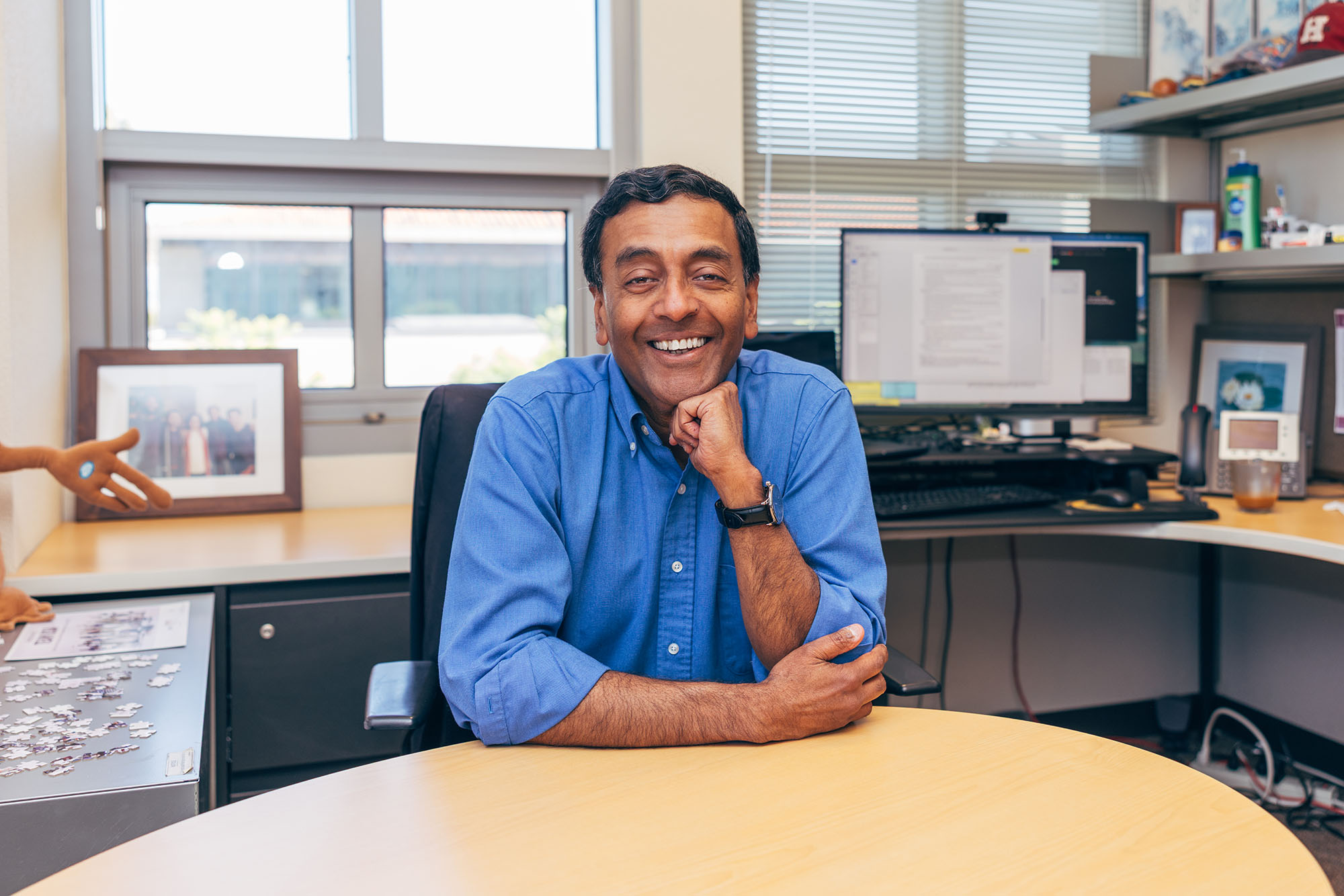
Sanjiv Das finds an algorithmic connection between retirement planning and video games (opens the original)
Sanjiv Das is the William and Janice Professor of Finance and Data Science at Santa Clara University’s Leavey School of Business, where he has taught and conducted research for the past 26 years. His research combines behavioral finance, artificial intelligence, machine learning, and mathematical modeling to help…
-
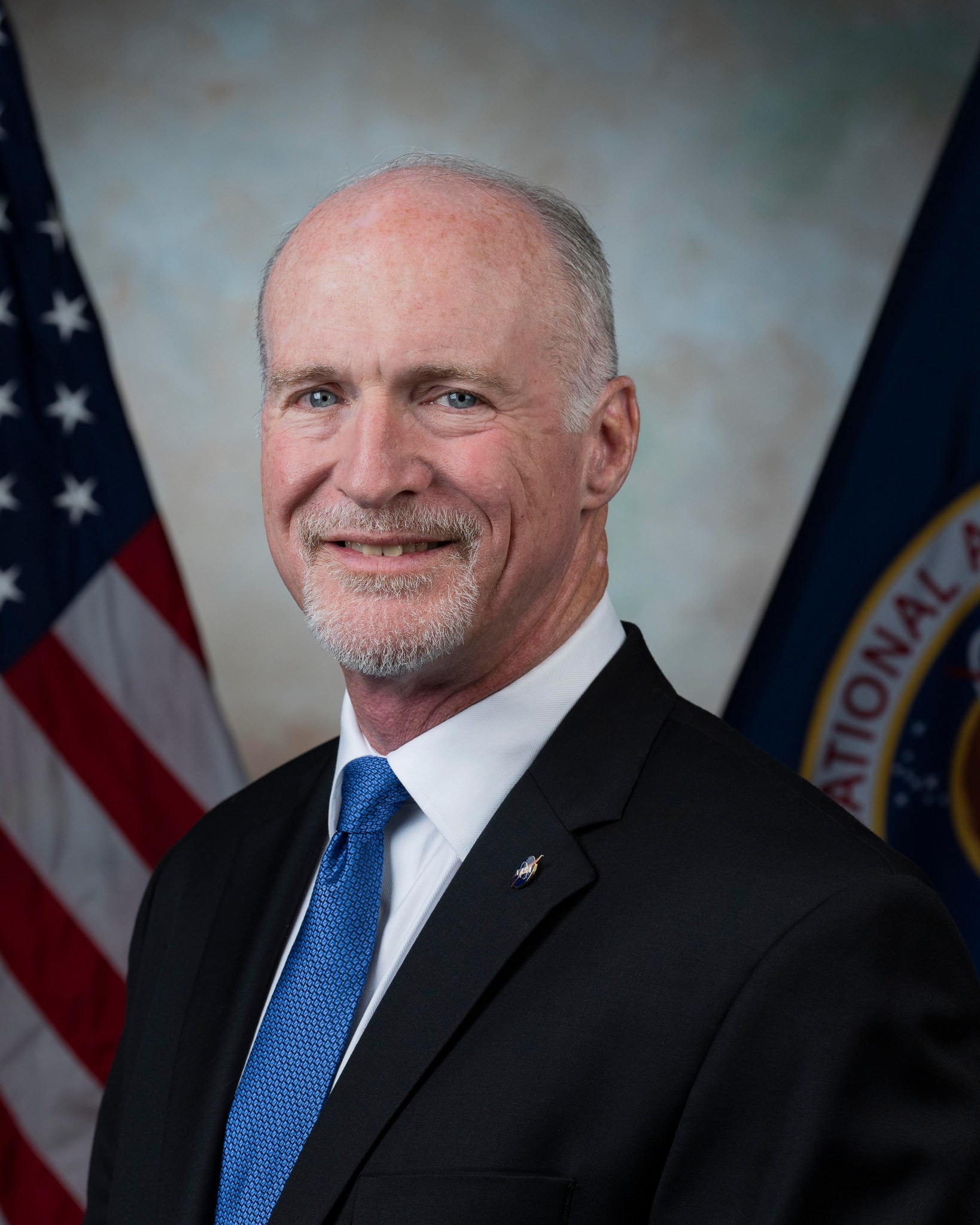
NASA Names Troy Asher Armstrong Flight Research Center Director (opens the original)
NASA Administrator Jared Isaacman has named Troy Asher director of the agency’s Armstrong Flight Research Center in Edwards, California. Asher, a veteran test pilot and aerospace engineer with decades of experience in flight research and operations, has served as the center’s acting director since March. “Troy has spent his career pushing the boundaries of flight,
-
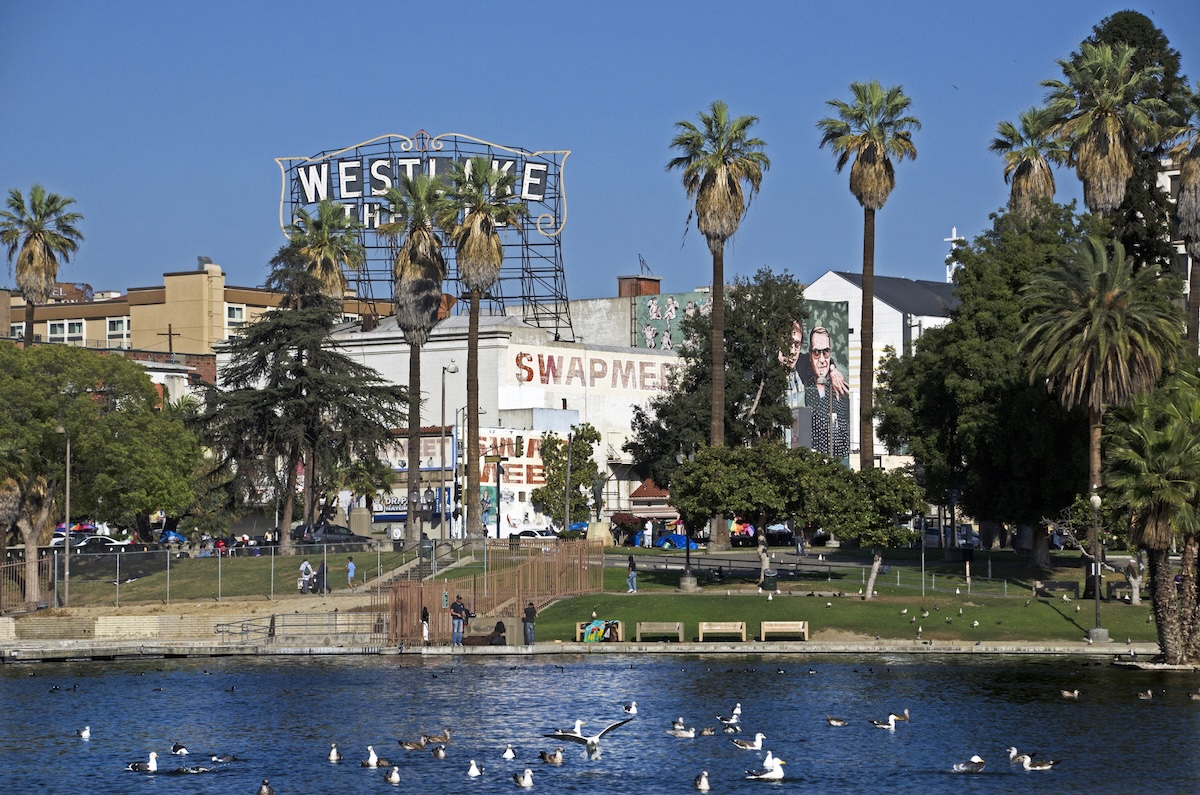
LAist | MacArthur Park is One of L.A.’s Deadliest Places. Inside the Fight to Reclaim It (opens the original)
Fernando Guerra, professor of political science and Chicana/o Latina/o studies at LMU, provided context on the history of MacArthur Park, an area that has faced issues driven by immigration policy, land use, access to
-
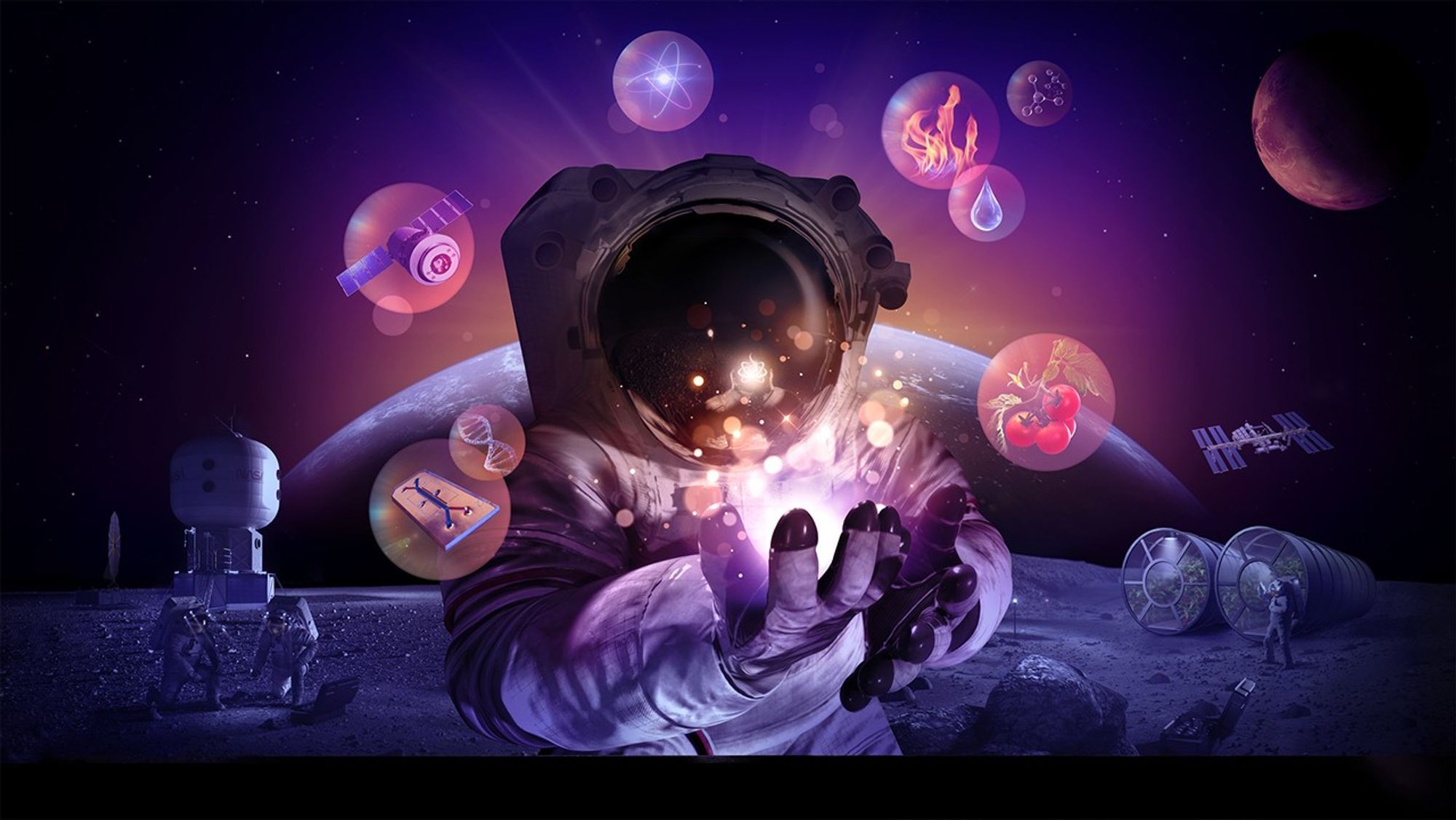
NIH–NASA QuSAFE Challenge (opens the original)
The Quantum-Enabled Predictive Preclinical NAMs for Toxicity and Safety (QuSAFE) Challenge, a collaboration between the National Institutes of Health (NIH) and NASA, advances quantum-enabled sensing for in vitro NAMs, such as organoids and microphysiological systems (MPS), to improve drug safety while reducing animal use. In vitro NAMs, such as organoids and microphysiological systems (MPS), can
-
After three years of relentless reform, what lies beyond the election for education?
Sweeping changes to the curriculum, NCEA and school governance have divided the education sector, all while major challenges remain overlooked.
-
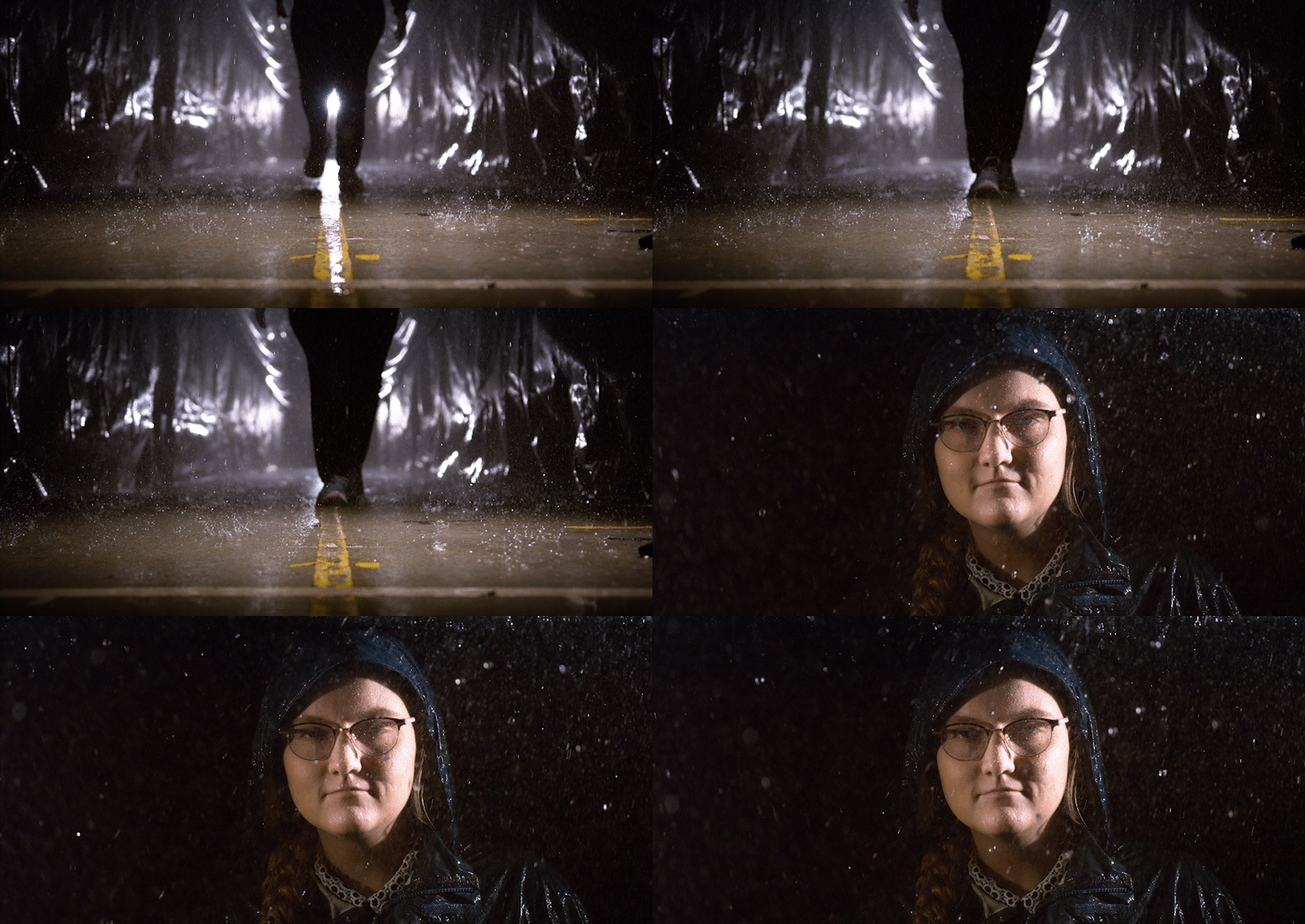
Bad weather on purpose (opens the original)
Many buildings and sites tied to national security rely on cameras and sensor networks to detect people and other objects nearby, but weather conditions can quickly obscure their view. To understand how these systems perform, Sandia National Laboratories researchers are delibera
-
Watch: Built at Berkeley, bound for space –– to measure exploded stars (opens the original)
Berkeley’s newest space telescope, COSI, is one of many instruments built at the Space Sciences Laboratory.
-
How COVID Transformed Our Social Networks (opens the original)
A trove of data from MBA students reveals a surprising legacy of the pandemic.
-
How Crushed Shells Protect Against Ocean Acidification (opens the original)
New research from the University of California, Davis reveals why adding crushed shells to beach sand helps protect shell-making animals — such as clams, oysters and mussels — from the detrimental effects of ocean acidification.
-
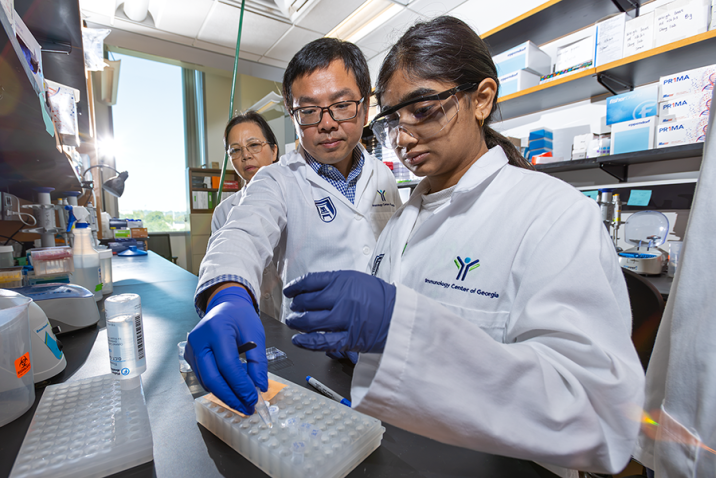
IMMCG researcher receives $3.8 million NIH grant to study atherosclerosis (opens the original)
"It's our hope that we will identify a novel therapeutic target that can be used for treatment and prevention of atherosclerosis," says Kunzhe Dong, PhD.
-
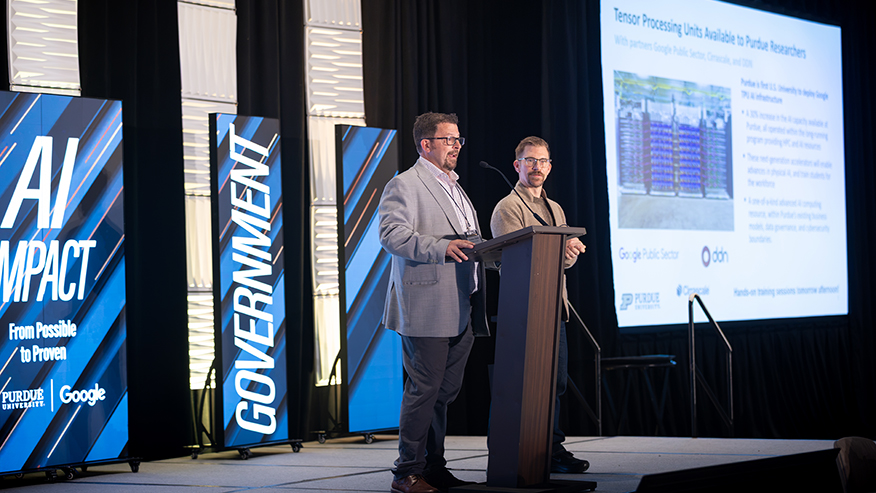
Purdue is first U.S. university to deploy Google TPU AI infrastructure (opens the original)
WEST LAFAYETTE, Ind. — Purdue University is expanding its artificial intelligence research capabilities through a collaboration with Google Public Sector, Cirrascale and DDN that provides Google Tensor Processing Units (TPUs) for faculty and student research. The university will be the
-
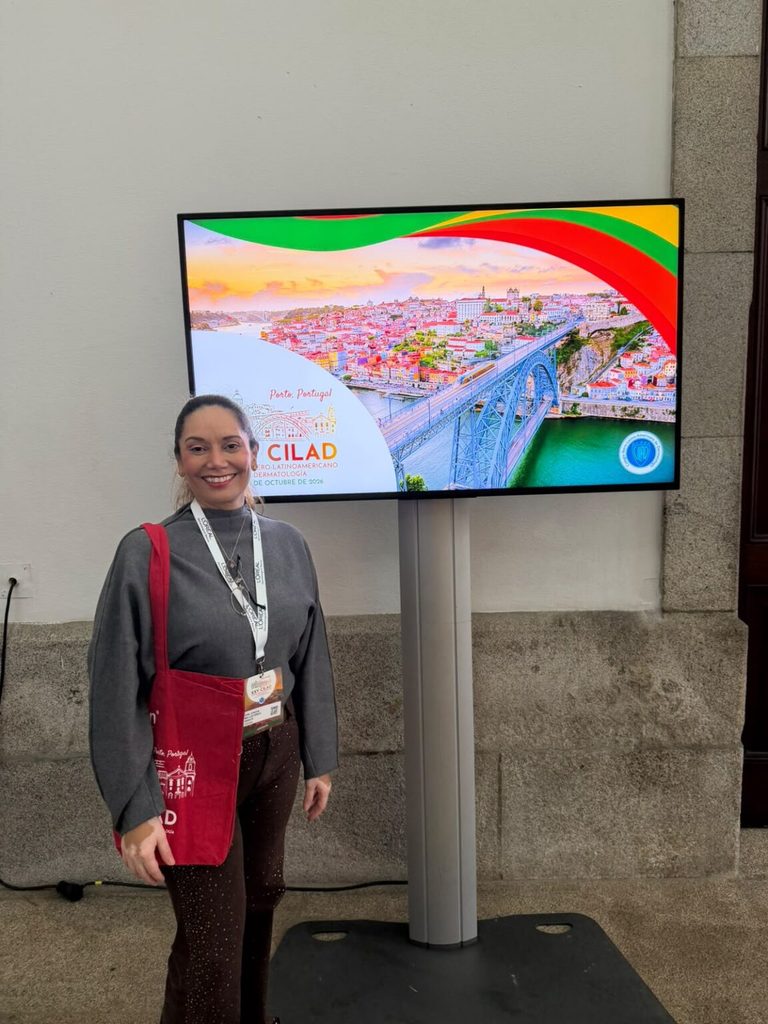
Researchers and Students Participate in Major Ibero-American Dermatology Conference (opens the original)
Research and medical education at the Universidad Industrial de Santander (UIS) extend beyond borders. From October 27 to 31, 2026, representatives of the institution are participating in the 25th Congress of the Ibero-Latin American College of Dermatology (CILAD), held in Porto, Portugal, where they are presenting…







Read: The Conversation, CORDIS, ESO, NASA, ScienceDaily and the newsroom feeds of 753 institutions. Last read: today. Each story's date is its publisher's. Where the news comes from, and what each source allows.