Science news
Recent stories from university newsrooms, The Conversation, CORDIS, observatories and ScienceDaily, each sorted into the fields, countries and institutions it is about, and each linked to the original publisher. Narrow them below by subject, country, institution, source, words or period. A signed-in reader can follow any filtered view and be told when a new story matches it.
2,346 stories match these filters.
-
Dartmouth Convenes Landmark 'AI at 70' Conference (opens the original)
Leading figures in artificial intelligence weigh in on how to center human judgment.
-
UNM Hibben Center hosts guest lecturer from Northwestern University (opens the original)
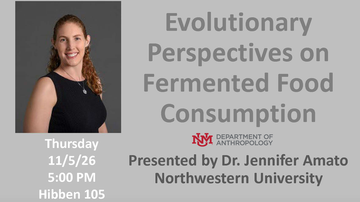
The Hibben Center for Archaeological Research will host Katherine Amato, Ph.D. Thursday, Nov. 5, at 5 p.m. (also available on Zoom). She will present her talk, “Evolutionary Perspectives on Fermented Food Consumption,” as part of the Anthropology Colloquia Series. To this day, it remains unclear when, and why, humans…
-
UCLA engineers launch pilot project to turn campus waste into hydrogen fuel (opens the original)
The collaboration with climate tech company Mote will help advance the university’s sustainability goals.
-
As the Use of Generative Artificial Intelligence Increases, Slovenians Are Becoming Increasingly Concerned (opens the original)
A study on the use of generative artificial intelligence (GenAI) among adult internet users in Slovenia, conducted by researchers at the Faculty of Social Sciences UL, shows that as the use of this technology rapidly expands, concerns are also growing about the future development of artificial intelligence (AI), its…
-
45 years beneath the surface: Peter Harrison and the race to give coral reefs a future (opens the original)
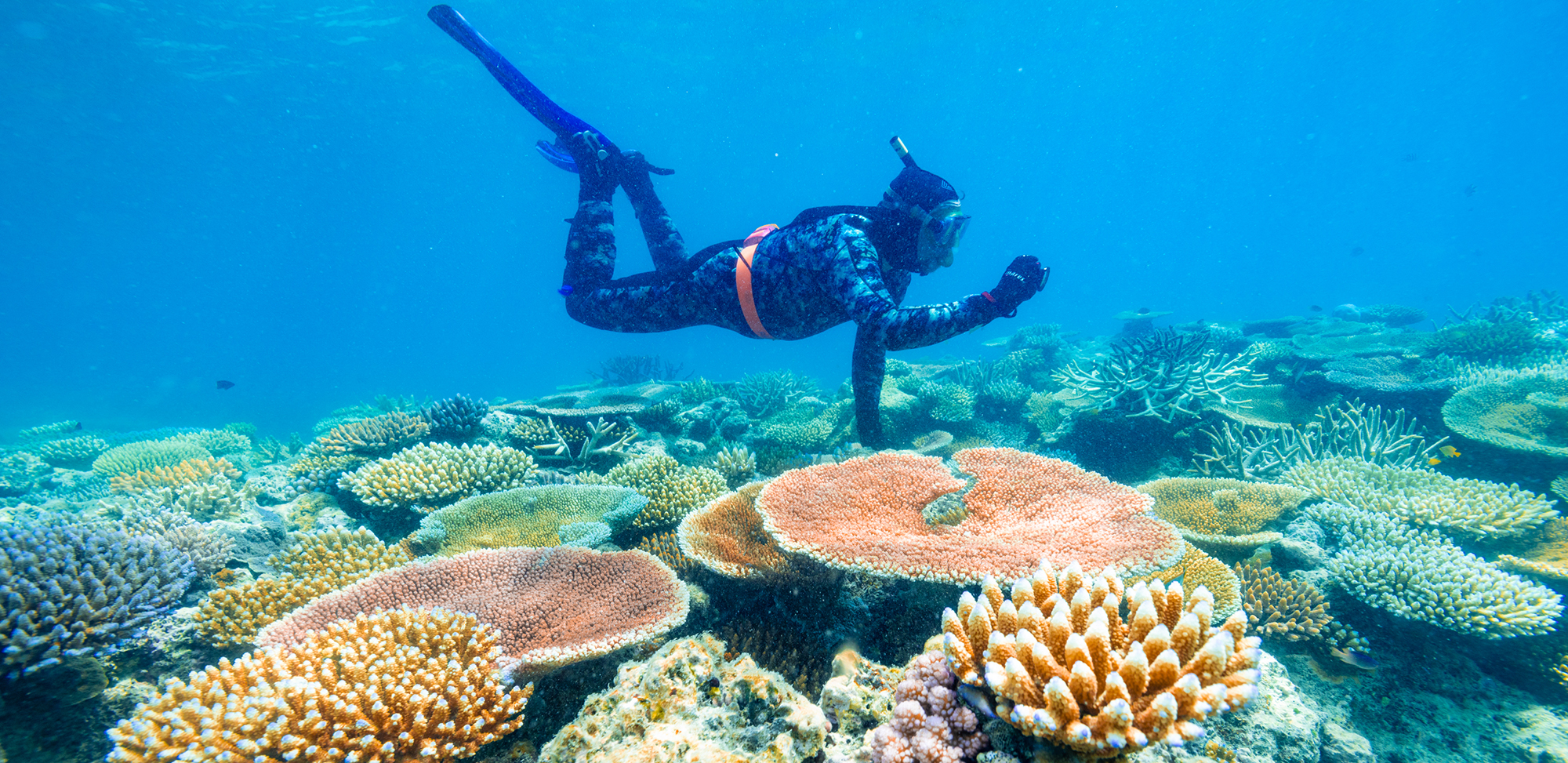
In 1981, a group of young marine scientists surfaced from a night dive on the Great Barrier Reef after witnessing something that would change our understanding of coral reefs. Forty-five years later, one of the original team members, Southern Cross University Distinguished Professor Peter Harrison, is still following…
-
Halloween Aboard the International Space Station (opens the original)
Although no ghouls, goblins, or trick-or-treaters come knocking at the International Space Station’s front hatch, crew members aboard the orbiting laboratory still like to get in the Halloween spirit. Whether individually or as an entire crew, they dress up in sometimes spooky, sometimes scary, but always creative costumes, often designed from materials available aboard the
-
Towards Continental Conservation: A Metapopulation Strategy to Support Collaborative Bison Restoration and Management (opens the original)
Join us for a bison-centric Friday's Findings in honor of National Bison Day (November 7)! Tune in to learn how USGS scientists are helping to inform bison restoration and management.
-
Scary Smart: The Creepy, Crawly and Unexpected Side of Charlotte Research (opens the original)
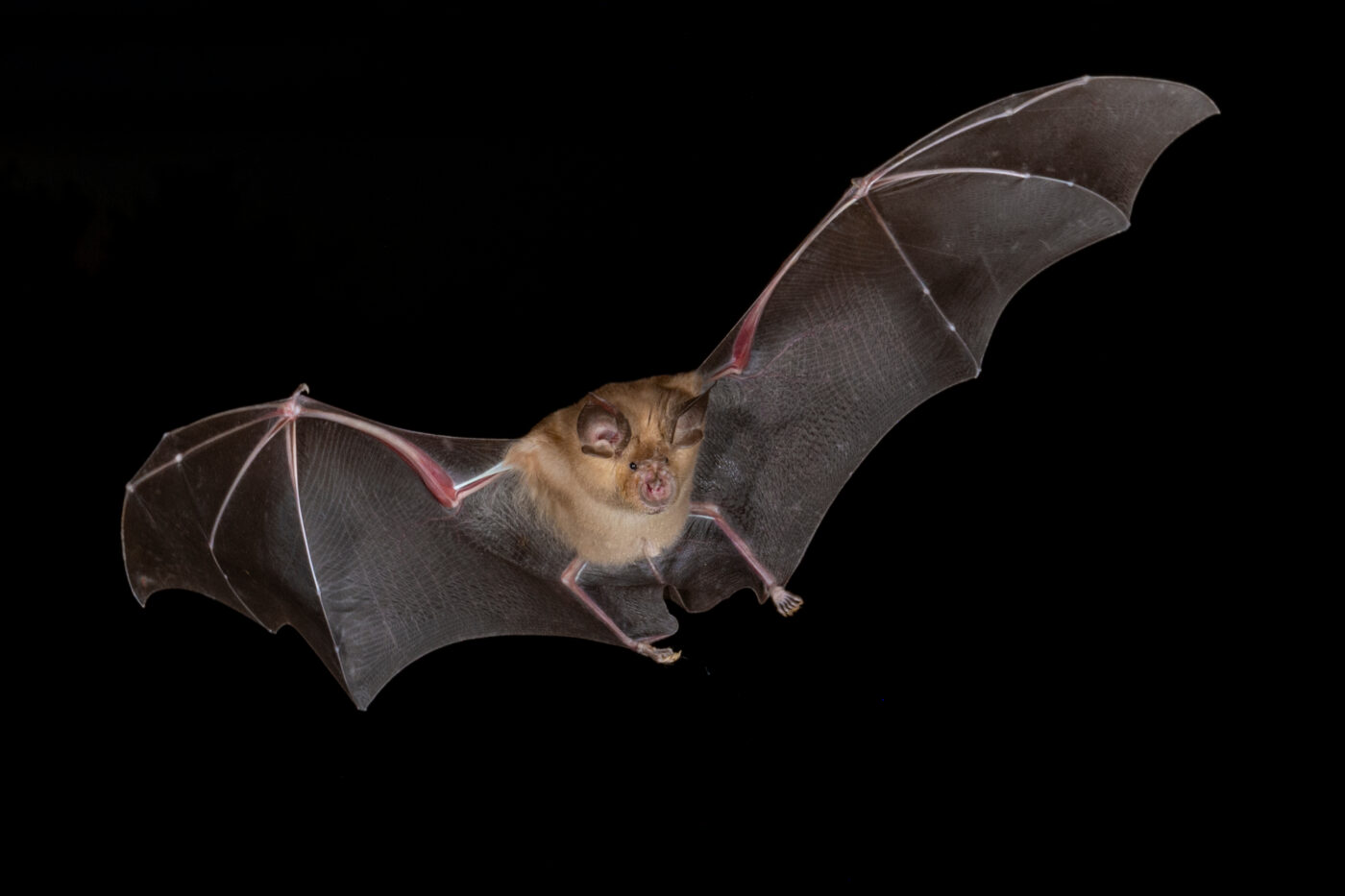
Bats. Bloodsuckers. Spiders. Fake faces. And a few things that might keep you up at night. Think Halloween is scary? You should see what’s happening in UNC Charlotte’s research labs. From creatures lurking in our own backyard to microscopic…
-
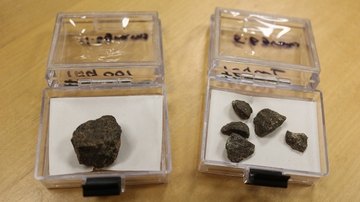
UMaine scientist helps identify one of the oldest Martian meteorites on Earth (opens the original)
University of Maine professor Alicia Cruz-Uribe and her colleagues were analyzing a box of rock samples from Mars when they made an unexpected discovery. They would confirm that one sample
-
Flying-foxes are starving. Why are we still responding one crisis at a time?
Wildlife carers have been deluged with distressed flying-foxes. It’s yet another crisis for these vital animals. Is it time to do better?
Picture: Author provided, CC BY-NC-SA
-
Flying-foxes are turning up starving. Why are we still responding one crisis at a time?
Wildlife carers have been deluged with distressed flying-foxes. It’s yet another crisis for these vital animals. Is it time to do better?
Picture: Author provided, CC BY-NC-SA
-
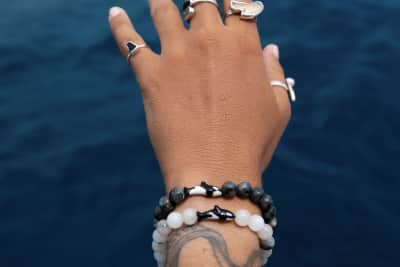
New orca tracking bracelets support FIU research (opens the original)
FIU and Fahlo have teamed up once again with the release of the new orca killer whale bracelets featuring the company’s first-ever hand-painted charm.
-
NASA-funded Study Details One of Oldest Mars Meteorites Ever Found (opens the original)
When a rose-colored meteorite was found in the Sahara Desert in 2022, no one knew how old it was or where it came from. Not until NASA-funded scientists age-dated its minerals did they realize the nearly 2-pound (800-gram) rock was a piece of Mars that formed more than 4.1 billion years ago, making it one
-
UNM scientists help uncover 4.1 billion-year-old Martian meteorite revealing clues to planet's ancient past (opens the original)
Scientists at the University of New Mexico have played a key role in identifying a rare, 4.1-billion-year-old Martian meteorite that provides new evidence that the Red Planet may have once had a wetter, Earth-like environment. The discovery, titled “A Martian meteorite that formed ≳4.1 billion years ago samples Mars'…
-
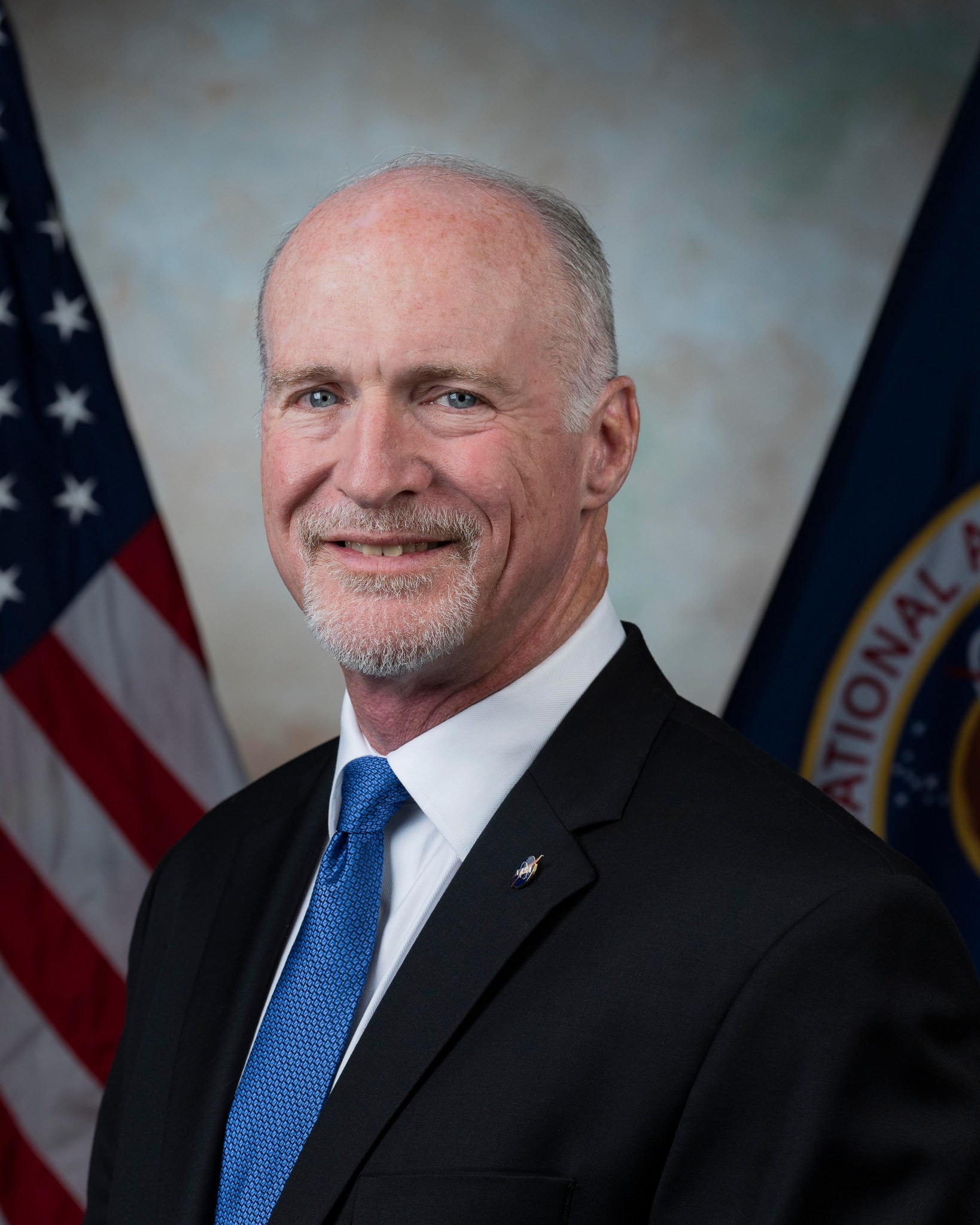
NASA Names Troy Asher Armstrong Flight Research Center Director (opens the original)
NASA Administrator Jared Isaacman has named Troy Asher director of the agency’s Armstrong Flight Research Center in Edwards, California. Asher, a veteran test pilot and aerospace engineer with decades of experience in flight research and operations, has served as the center’s acting director since March. “Troy has spent his career pushing the boundaries of flight,
-
Watch: Built at Berkeley, bound for space –– to measure exploded stars (opens the original)
Berkeley’s newest space telescope, COSI, is one of many instruments built at the Space Sciences Laboratory.
-
How Crushed Shells Protect Against Ocean Acidification (opens the original)
New research from the University of California, Davis reveals why adding crushed shells to beach sand helps protect shell-making animals — such as clams, oysters and mussels — from the detrimental effects of ocean acidification.
-
Spain train crash investigators focus on rail safety and controllers (opens the original)
Following another deadly rail disaster in Spain, a Northeastern expert reveals if it’s still advisable to travel by train in Europe.
-
Bowen Law Students Complete Comprehensive Study of County Law Libraries (opens the original)
Several students from the University of Arkansas at Little Rock William H. Bowen School of Law recently completed a research project on Arkansas county law libraries, and how the model of funding and execution for those libraries might be improved. The seven students — Brandon Bean, Rabecca Cisneros, Hank Herzfeld…
-
Wake Forest physicist Caitlin Witt receives NSF grant to search for ripples in spacetime (opens the original)
Wake Forest University physics department Assistant Professor Caitlin Witt has received a National Science Foundation (NSF) grant that will help her and her team of students study ripples in spacetime known as gravitational waves as part of the North American Nanohertz Observatory for Gravitational Waves (NANOGrav)…







Read: The Conversation, CORDIS, ESO, NASA, ScienceDaily and the newsroom feeds of 753 institutions. Last read: today. Each story's date is its publisher's. Where the news comes from, and what each source allows.