Science news
Recent stories from university newsrooms, The Conversation, CORDIS, observatories and ScienceDaily, each sorted into the fields, countries and institutions it is about, and each linked to the original publisher. Narrow them below by subject, country, institution, source, words or period. A signed-in reader can follow any filtered view and be told when a new story matches it.
1,662 stories match these filters.
-
Breakthrough in non-invasive liver testing (opens the original)
Two international studies show non-invasive tests can accurately diagnose and measure liver disease severity, reducing the need for biopsy.
-
The patient who could not die (opens the original)
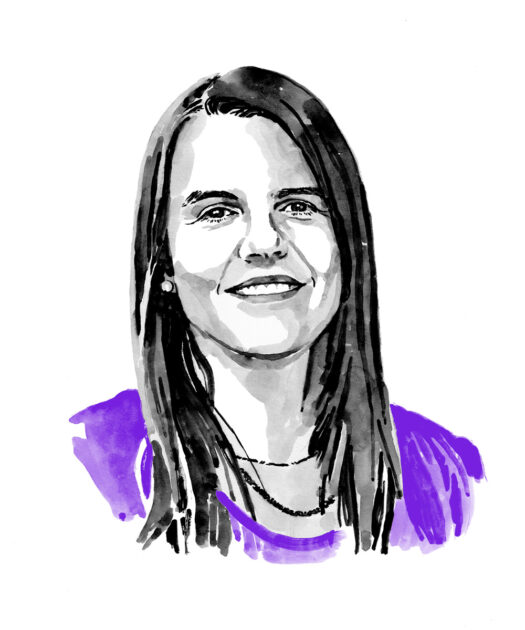
Associate Professor of Medicine Erika Ramsdale ’21 (MS) discusses what AI can—and can’t—teach doctors about connection.
-
UH Mānoa Athletics generates $753M in economic impact over four years, study finds (opens the original)
The analysis also estimated that athletics-related economic activity supported approximately 1,242 jobs in Hawaiʻi in fiscal year 2025. The post UH Mānoa Athletics generates $753M in economic impact over four years, study finds first appeared on University of Hawaiʻi System News.
-
Turning biology into better skin care (opens the original)
Yale Medicine physician–scientist Dr. Christopher Bunick explains how studying the skin barrier at the atomic level could help break the cycle of damage and inflammation behind eczema.
-
Roswell Park Researchers Identify Strategy for Overcoming Resistance to RAS-Targeted Cancer Drugs (opens the original)
Cancer Research study points to new combination approaches for pancreatic and lung cancers
-
Halloween is typically a massive lolly fest for kids – but it doesn’t have to be
Leave the pillowcase at home. Parents can try giving children a smaller bucket or bag to take trick-or-treating.
Picture: Elizabeth Iris/ Pexels
-
679 UT Health Sciences Students Meet Their Future ‘Teammates’ at IPE Day (opens the original)
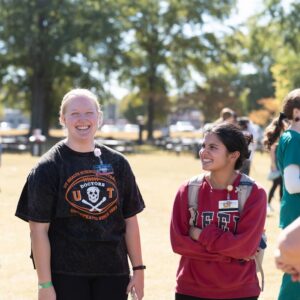
A total of 679 first-year students from all six colleges of the University of Tennessee Health Sciences took part in Interprofessional Education (IPE) Day last week. Of those, 602 swapped classroom seats for mixed teams on Doc’s Field, and 77 joined virtually. Future dentists, nurses, pharmacists, physicians, and…
-
Using ChatGPT before a medical appointment? How to get the best support for your health questions
Chatbot advice is readily available, is personalised and can be prompted for greater clarity. But it can also lead to serious patient harm.
-
Premature birth alters the brain’s developmental clock (opens the original)
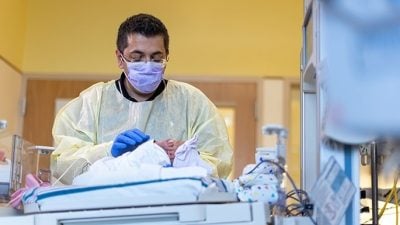
When a baby is born prematurely, their cerebellum grows and develops in a different way than it would if the baby remains in utero full term.
-
IMMCG researcher receives $3.8 million NIH grant to study atherosclerosis (opens the original)
"It's our hope that we will identify a novel therapeutic target that can be used for treatment and prevention of atherosclerosis," says Kunzhe Dong, PhD.
-
Is sexual objectification hard‑wired? Our study used electrical brain stimulation to find out (opens the original)
Ciro Civile, University of Exeter When people view sexualised images of women, they tend to... Is sexual objectification hard‑wired? Our study used electrical brain stimulation to find out appeared first on University of Exeter News.
-
Regulatory Affairs Career Paths and Job Opportunities Explained (opens the original)
Regulatory Affairs Jobs: Roles, Skills, Salaries & Career Paths Explained Introduction to Regulatory Affairs as a Career Patients rely on medications, medical devices, and other healthcare products to be safe and effective. These products must undergo rigorous testing. Regulatory affairs professionals help make that…
-
USU, Irish Defence Forces Sign Statement of Intent to Advance Military Medical Education and Research (opens the original)
Uniformed Services University and Irish Defence Forces Medical Corps agree to explore military medicine education, research, and exchange. Dr. Jonathan Woodson, left, president of the Uniformed Services University of the Health Sciences (USU), and Irish Defence Forces Col. (Dr.) Anthony Corcoran, director of the…
-
Lifesaving service launched to catch cancer sooner for 90,000 people (opens the original)
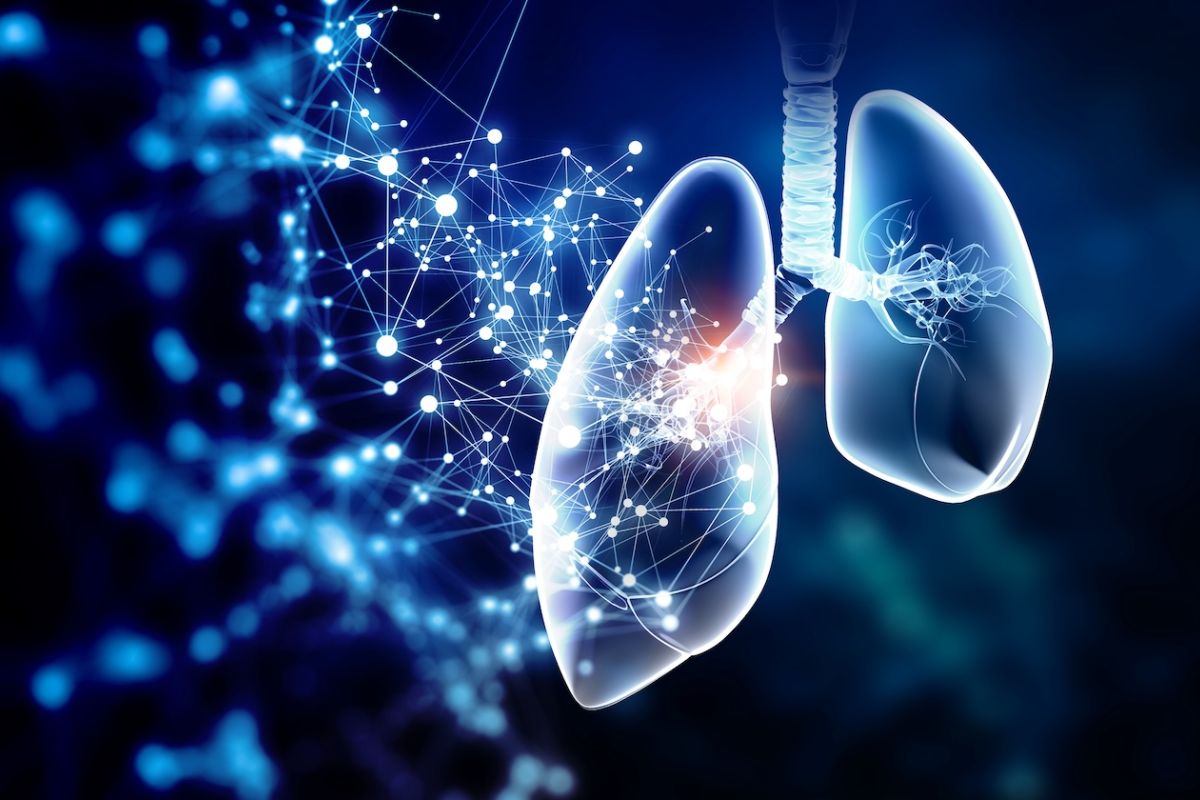
The Leeds Lung Cancer Screening Programme will offer thousands of people across Leeds the chance to get ahead of cancer.
-
Spinal cord injury reshapes gut microbes that influence whole-body health (opens the original)
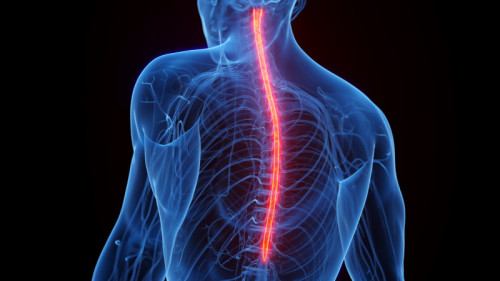
Scientists exploring the links between a spinal cord injury, inflammation and immune function have turned their attention to a genome-level analysis of the gut microbial community, with early study results offering hints at potential new approaches to aid healing.
-
A simple blood test could detect cancer
A simple blood test to detect cancer before symptoms even appear: that’s the promise of liquid biopsy, a rapidly developing technology that could revolutionize the diagnosis, monitoring and personalization of cancer treatments.** –
-
Neurologist and clinician scientist aiming to improve the odds for stroke patients (opens the original)
As part of World Stroke Day on Oct. 29, 2026, Shared Health is highlighting the significant clinical research, innovation, and specialized care that is advancing stroke care and improving outcomes for Manitobans. The odds are staggering. In Manitoba, approximately seven people suffer a stroke every day, or about…
-
Tobias Sjöblom explores what causes cancer to develop (opens the original)
Home tests for early detection, identifying people with a genetically increased risk, better treatments and new medicines. Tobias Sjöblom’s cancer research covers a broad field. Alongside his own
-
When things go bump in the night: how our brains trick us into hearing things that aren’t there
The boundaries between sleep and wakefulness can become blurred.






Read: The Conversation, CORDIS, ESO, NASA, ScienceDaily and the newsroom feeds of 753 institutions. Last read: today. Each story's date is its publisher's. Where the news comes from, and what each source allows.