Science news
Recent stories from university newsrooms, The Conversation, CORDIS, observatories and ScienceDaily, each sorted into the fields, countries and institutions it is about, and each linked to the original publisher. Narrow them below by subject, country, institution, source, words or period. A signed-in reader can follow any filtered view and be told when a new story matches it.
2,261 stories match these filters.
-
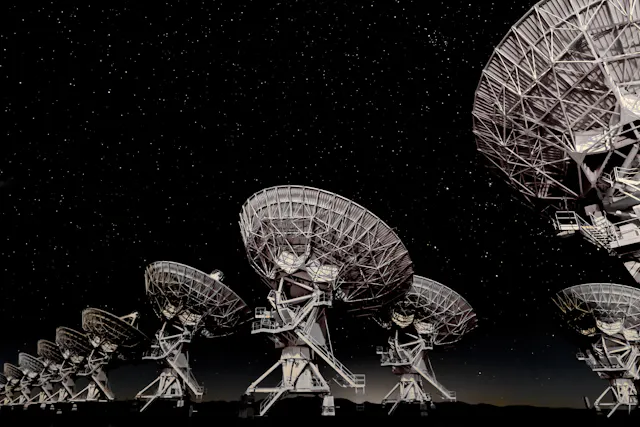
Figuring out where cosmic neutrinos come from is tricky - radio telescopes could help find where these ‘ghost particles’ originate
A researcher just won a Nobel Prize for detecting tiny particles from space. Scientists now want to get better at figuring out where in the cosmos they come from.
Picture: mwwile/Flickr, CC BY-NC
-
Tracing the online networks behind AI-generated nude images (opens the original)
Led by UF's Kevin Butler, a team is investigating ways internet forums disseminate resources and knowledge that drive illegal image distribution
-
'Very inspiring'; UC professor wins award for greenhouse-gas research, credits students for her passion (opens the original)
Amy Townsend-Small, a College of Arts and Sciences professor, won the 2026 Sustainability Leadership award for her nearly two decades of work looking into the oil and gas industries. Townsend-Small, who teaches for the School of Environment and Sustainability (SEaS), said she studies where methane is emitted through…
-
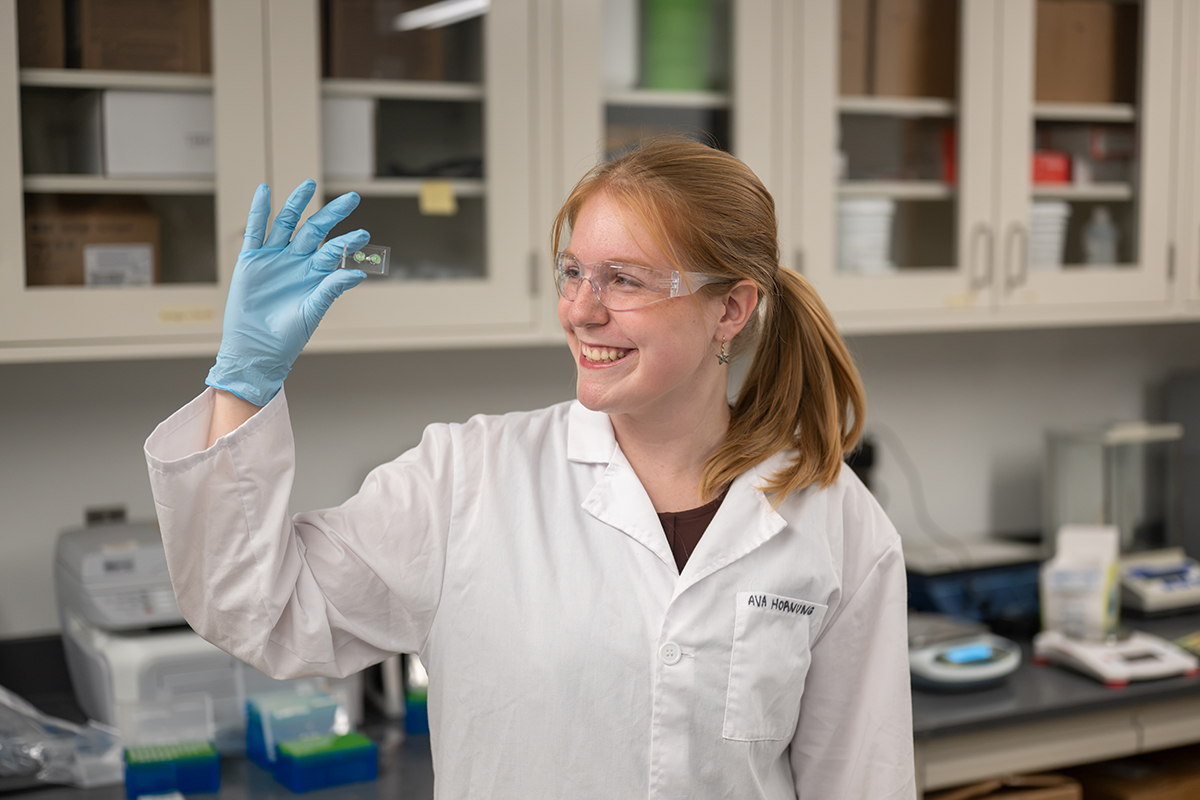
Small chips, big impact (opens the original)
An applied learning experience gives K-State engineering students the opportunity to build organ chips, collaborate across disciplines and contribute to research
-
October 2026: The month in photos (opens the original)
Each month, Virginia Tech highlights photographs that capture the vibrancy of the university community — from student experiences and groundbreaking research to campus beauty, Hokie traditions, and moments across its campuses.
-
Michael Vaks ’19 on Building the Software Behind Meta Wearables (opens the original)
At Meta, Michael Vaks ’19 helps solve the engineering problems behind an everyday expectation: a device should respond when someone needs it. As a staff software engineer on the company’s Core UX / System UX team, he builds foundational software for wearable devices, including AI and display glasses. At NJIT, Vaks…
-
Are narcissists multiplying or is the social media algorithm making them bolder? The answer in five stages
Someone with narcissistic traits will react strongly to content that matches their self-image.
-
A digital toolkit for fair green and digital labour market transitions
Europe’s green and digital transitions are changing the jobs people do, the skills they need and the opportunities available across regions. To help understand these shifts and support evidence-based policy, the EU-funded ISABEL project has developed a set of digital tools to help researchers and policymakers ensure…
Picture: © InfiniteFlow/stock.adobe.com
-
November’s Night Sky Notes: Light-Day Away (opens the original)
Twin Travelers In 1977, NASA launched twin spacecraft Voyager 1 and 2, taking advantage of a once-every-175-year planetary alignment of the four largest planets in our solar system: Jupiter, Saturn, Uranus, and Neptune. Using six gravity assists between them, this Grand Tour gave us up-close views of the gas and ice giants, including several moons.
-
Graduate Studies dean search enters final phase (opens the original)
Karen Gould, PhD, and Matthew Zimmerman, PhD, named finalists for the role.
-
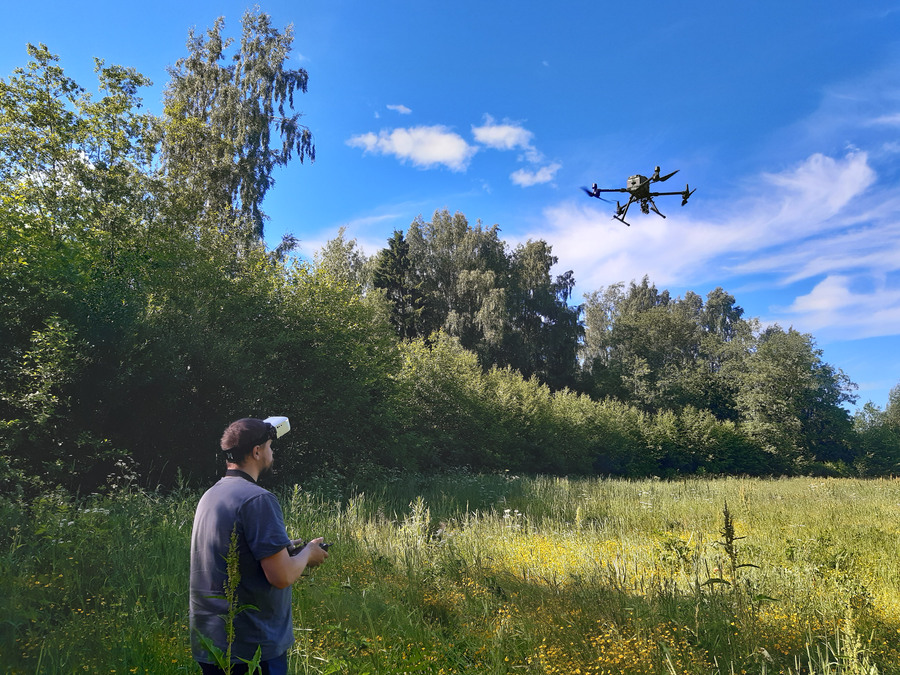
Drones and AI could help track invasive plants (opens the original)
Finding invasive plants can mean hours of walking through dense vegetation and along steep riverbanks. A Swedish–Finnish research collaboration is exploring how drones and artificial intelligence could make that work faster and safer. Early tests show that an AI tool can identify larger patches of Himalayan balsam in…
-
Biochar Field Day aims to turn invasive redcedar into a resource for farmers (opens the original)
An invasive tree threatening Nebraska grasslands could become a valuable resource for farmers. University of Nebraska–Lincoln researchers are bringing ranchers and farmers together to explore how eastern redcedar can be converted into biochar, a soil amendment that may improve soil health while putting removed trees…
-
Looking for bats after dark can help science – and change how we see them
A new study into microbats used so-called bat detectors to help track them down.
-
APOD: 2026 October 30 – Haunting the Cepheus Flare (opens the original)
APOD Science APOD APOD: 2026 October 30 –… Today’s APOD Archive Submissions Index Search Calendar RSS Education About Discuss APOD Astronomy Picture of the Day Discover the cosmos! Each day a different image or photograph of our fascinating universe is featured, along with a brief explanation written by a professional astronomer. Haunting the Cepheus
-
A True Halloween Story Treat: The dirt on Oppy’s demise! (opens the original)
On Launch Complex 17-B, Cape Canaveral Air Force Station, the Delta II Heavy launch vehicle jetted toward Mars on 7 July 2003 at 11:18:15 PM, Eastern daylight time. A robotic rover formally named Opportunity, and dearly nick-named “Oppy” was a passenger on the rocket. Oppy’s profession was a robot geologist on…
-
Prolonged thermal stress drives unprecedented coral bleaching beyond the typical summer period in Okinawa Island, Japan (opens the original)
<Dissertation information>Journal:Marine Ecology Progress SeriesTitle: Prolonged thermal stress drives unprece... The post Prolonged thermal stress drives unprecedented coral bleaching beyond the typical summer period in Okinawa Island, Japan first appeared on THE UNIVERSITY OF THE RYUKYUS.
-
Map Showing Potential Origins of Martian Meteorite Teghaza 001 (opens the original)
Description This global map of Mars shows 13 locations that match the mineralogy and chemistry of Teghaza 001, one of the most ancient Martian meteorites ever found on Earth. While scientists can never know for sure where a Martian meteorite originated, Teghaza 001 includes clues that link it to highlands in the southern hemisphere of
-
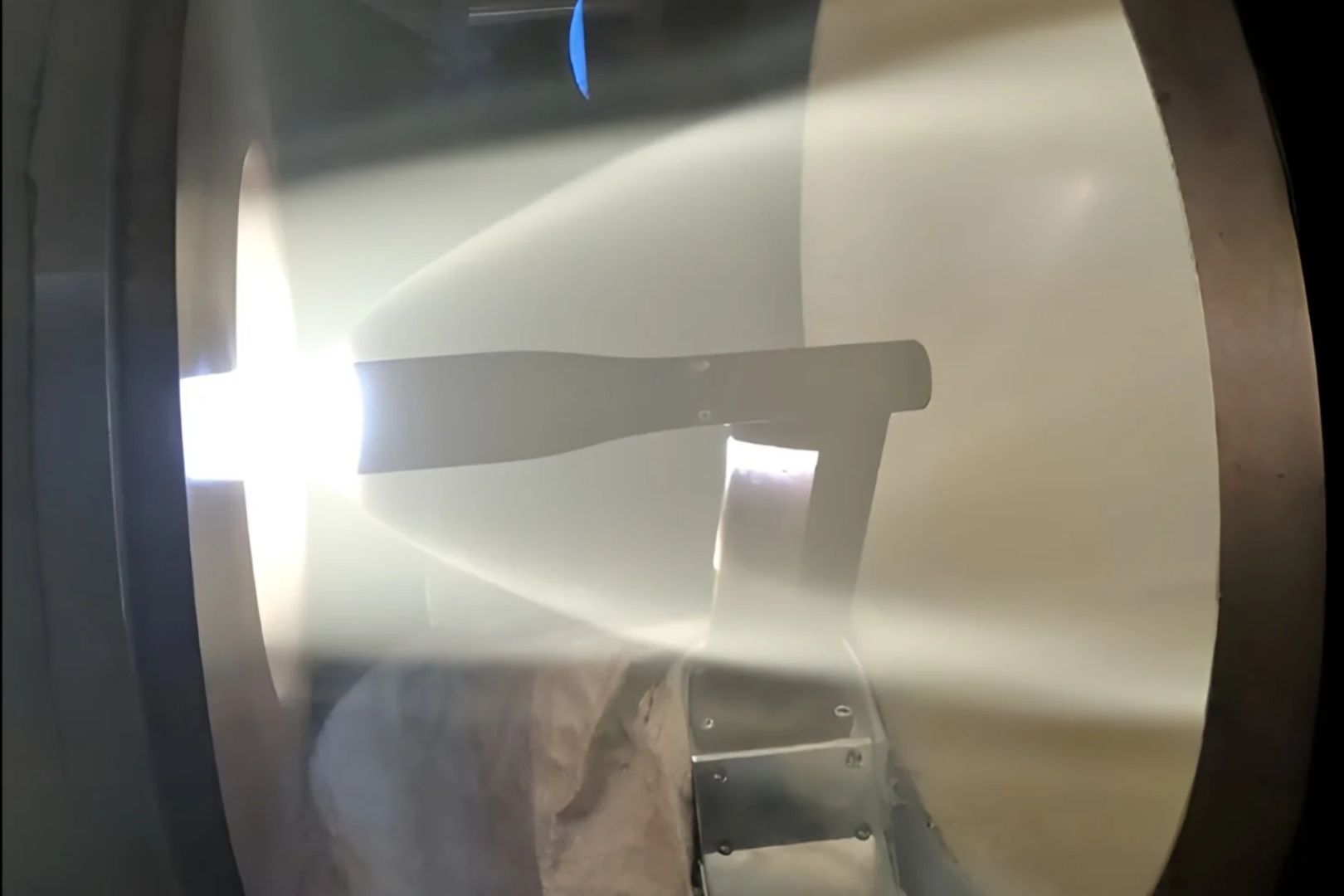
UTA advances science of hypersonic flight (opens the original)
Laser-based technique could improve how scientists measure extreme airflow around spacecraft
-
Where in the world is the best snow? (opens the original)
Snow scientist Steven Fassnacht explains what makes snow fluffy, the difference between machine-made and natural snow, and Colorado’s snow outlook this year.
-
Slice of Martian Meteorite Teghaza 001 (opens the original)
Description This slice of Teghaza 001, one of the most ancient Martian meteorites ever found on Earth, was used to determine the age of the rock. Reflected light images like these serve as a scientist’s road map, helping them find minerals of interest to analyze by different instruments. Figure A is the same image with











Read: The Conversation, CORDIS, ESO, NASA, ScienceDaily and the newsroom feeds of 755 institutions. Last read: today. Each story's date is its publisher's. Where the news comes from, and what each source allows.