Science news
Recent stories from university newsrooms, The Conversation, CORDIS, observatories and ScienceDaily, each sorted into the fields, countries and institutions it is about, and each linked to the original publisher. Narrow them below by subject, country, institution, source, words or period. A signed-in reader can follow any filtered view and be told when a new story matches it.
8,485 stories stored from the last six months.
-
Future-Proof Security System Protects Bitcoin Lightning Network from Quantum Attacks (opens the original)
Nearly all personal information is stored electronically in our digital age. This sensitive data is protected by digital keys unique to each device that would take today’s computers billions of years to crack through brute-force hacking attacks. But technology evolves. So what happens when new technology can break…
-
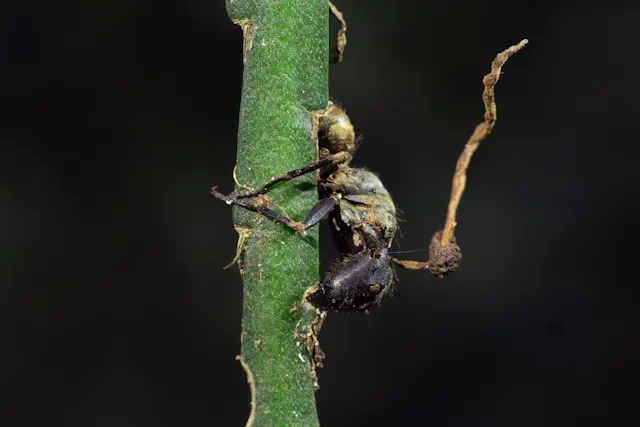
Zombies are real – just ask the parasites taking over the bodies and brains of insects and rodents, leading them to their doom
Parasitic fungi, wasps, worms and amoeba can control the behavior of their hosts in various horrifying ways.
- Georgia Institute of Technology
- United States
- Agricultural and Biological Sciences
- Biochemistry, Genetics and Molecular Biology
Picture: Denis Zabin/iNaturalist, CC BY-SA
-
Students helping students: the Morgan Library peer research mentors (opens the original)
Staring at an empty document with a broad topic, finding credible sources amongst the noise of the internet, and trying to navigate the libraries’ extensive databases can feel overwhelming. At CSU, students don’t have to face these challenges alone.
-
Fueling the Healthcare Workforce: Adelphi Nursing Reports Strong Q3 NCLEX Performance (opens the original)
According to the U.S. Bureau of Labor Statistics, the nation will see nearly 180,800 openings for registered nurses annually through 2035, driven by retirements and an aging population. Meeting this demand head-on, the Adelphi University College of Nursing and Public Health is reporting strong third-quarter licensure…
-
Bat signals: Research sheds light on creatures of the night (opens the original)
Shane Seheult loves bats. Like, really loves bats – like, has a bat tattoo, has been a part of the McMaster Bat Lab for the last eight years, dressed up as a bat to present his bat research, and even runs public Meet-A-Bat days so that other people can meet his favourite creature and get
-
Where better than universities? (opens the original)
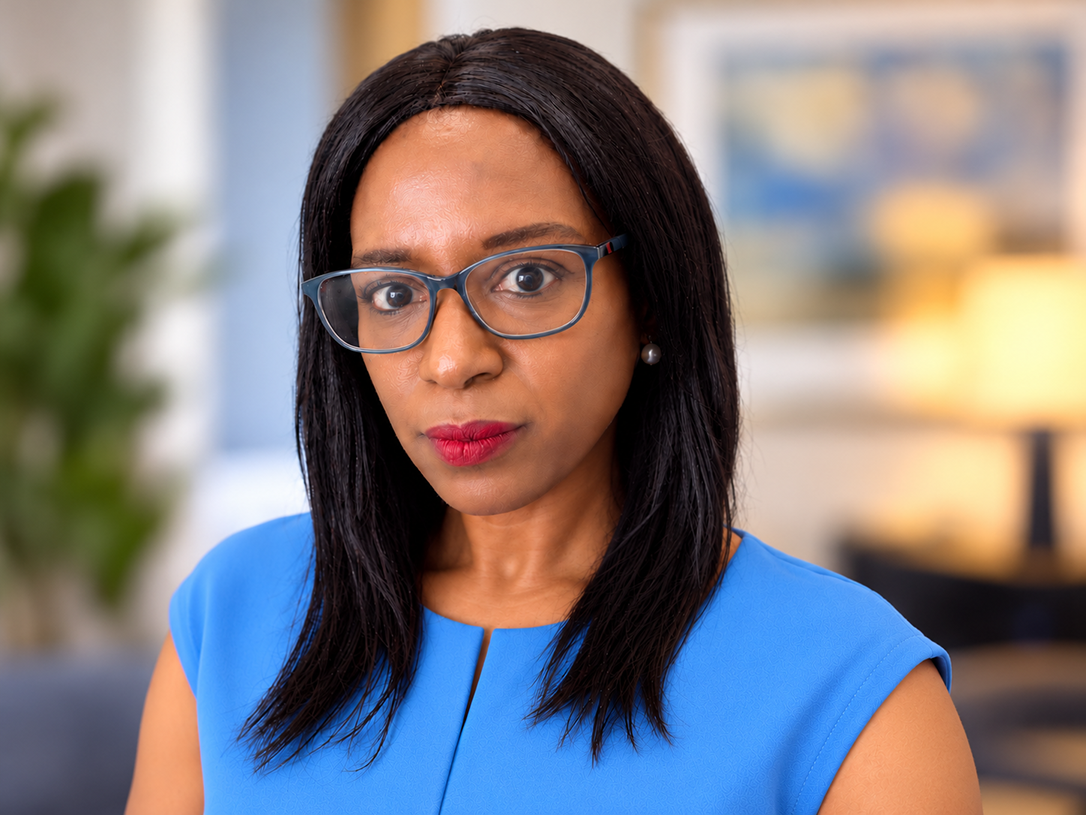
The thorny ethical questions raised by AI demand exhaustive scrutiny, says Ifeoma Ajunwa—not to mention debate. She knows just the place.
-
World’s top plague experts meet at McMaster (opens the original)
McMaster University recently hosted an international conference on plague research, which brought together the field’s top experts to collaboratively answer some of the most pressing questions about the disease and the bacteria that causes it. Organized by McMaster Professor Hendrik Poinar in partnership with the…
-
NASA Releases MAX POWER Key Events for Media, Participants (opens the original)
AmAmerica’s newest aerospace expo and air show – MAX POWER – is fast approaching, and NASA has announced key events beginning Friday, Nov. 6, and running through Sunday, Nov. 8, hosted on and near the agency’s Kennedy Space Center in Florida. Through multiple park experiences at MAX POWER, NASA and a variety of external collaborators
-
J-PAL North America launches ARTEMIS to train early-career researchers (opens the original)
The Applied Research Training in Evaluation, Methods, and Impact Studies program provides dedicated support to help researchers overcome barriers to pursue and obtain funding for randomized evaluations.
-
McMaster researchers trace fatal Marburg virus outbreak in Ethiopia to animal spillover event (opens the original)
New research led by McMaster University has helped piece together the earliest days of the outbreak of Marburg virus, a deadly relative of Ebola, which appeared in Ethiopia last year. Genetic evidence suggests that the outbreak began with a single spillover from animals to humans, followed by rapid human-to-human…
-
How the immune system gets better at detecting pathogens (opens the original)
Yale scientists identified critical proteins that help B cells bind more effectively to invading pathogens.
-
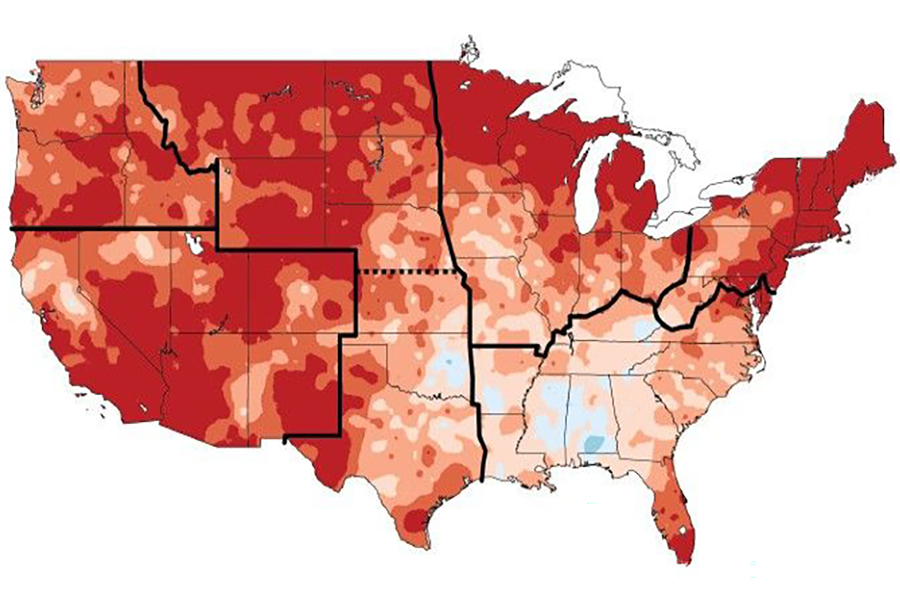
Study pinpoints states with steepest warming trends since 1980 (opens the original)
The findings indicate where adaptive measures are needed most around the United States.
-
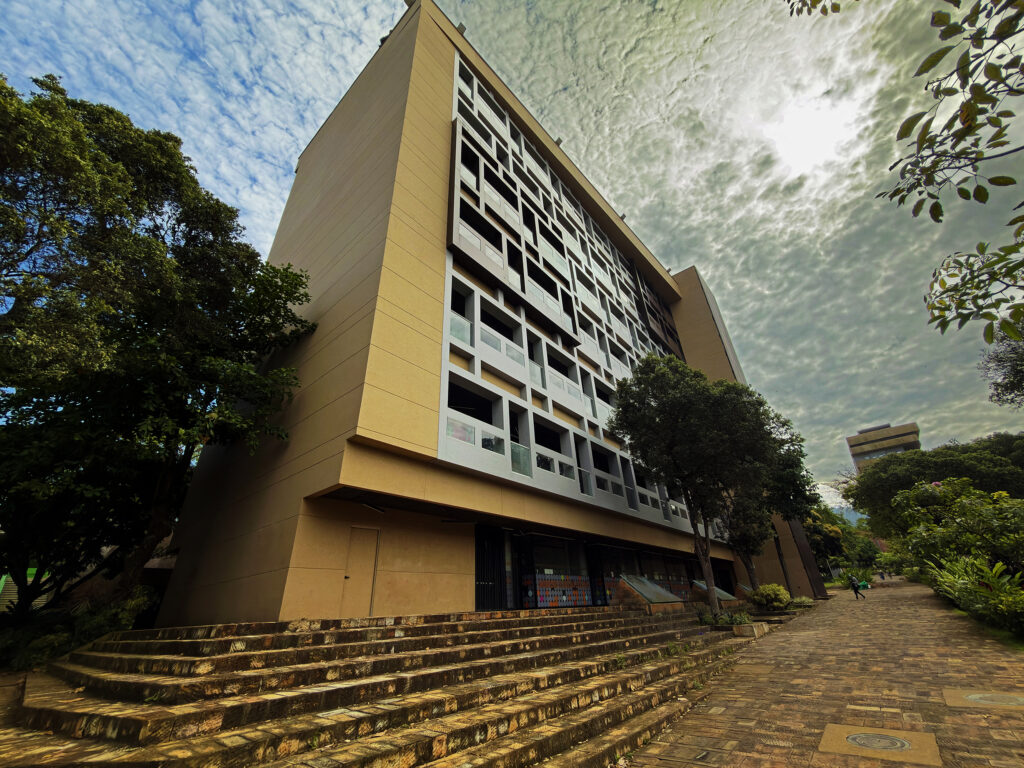
The EDIC: A Building Designed to Advance Research and Scientific Work at UIS (opens the original)
With more than 7,200 square meters, eight levels and 26 specialized laboratories, the Faculty of Sciences Research Building (EDIC) strengthens the scientific capabilities of the Industrial University of Santander (UIS). Its architectural design promotes interdisciplinary work, takes advantage of the surrounding…
-
McMaster discovery points to new weakness in the bacteria behind tuberculosis (opens the original)
Mycobacterium tuberculosis is a remarkably resilient organism. With complex DNA repair mechanisms that allow it to fix damage incurred from antibiotics, immune cells, and other stressors, the bacteria — which, as its name suggests, causes tuberculosis — is capable of withstanding particularly hostile conditions…
-
Sandia selected for $3.38 million to advance nuclear fuel research (opens the original)
Sandia National Laboratories has been selected for $3.38 million in Department of Energy funding to develop analytical tools that could help advance the production and deployment of nuclear fuels for next-generation reactors.
-
ORNL researcher to develop new gallium recovery approach (opens the original)
The Department of Energy’s (DOE) Oak Ridge National Laboratory (ORNL) is developing new chemical separation methods to recover gallium from domestic zinc refinery residues, potentially creating a new U.S. source of a critical material used in advanced semiconductors, electronics and energy technologies. Led by ORNL…
-
Government of Canada to hold a technical briefing on Canada’s priorities, objectives, and planned activities for COP31 (opens the original)
Media representatives are advised that senior government officials from the Government of Canada will hold a bilingual technical briefing on Canada’s priorities, objectives, and planned activities for the United Nations Climate Change Conference (COP31), taking place in Antalya, Türkiye, from November 9 to 20, 2026.
-
Q&A: Hey AI, who should I vote for this year? (opens the original)
MIT professors Adam Berinsky and Chara Podimata discuss a new project to track how AI chatbots are responding to questions about the 2026 U.S. midterm elections.
-
First Cohort of Picker ISI Scholars Takes On Interdisciplinary Research Projects (opens the original)
sdevries@colgate.edu Fri, 10/30/2026 - 15:00 Three Colgate students are continuing work started this past summer on interdisciplinary research projects through the Picker Interdisciplinary Science Institute (Picker ISI) Scholars Program…











Read: The Conversation, CORDIS, ESO, NASA, ScienceDaily and the newsroom feeds of 756 institutions. Last read: today. Each story's date is its publisher's. Where the news comes from, and what each source allows.