Science news
Recent stories from university newsrooms, The Conversation, CORDIS, observatories and ScienceDaily, each sorted into the fields, countries and institutions it is about, and each linked to the original publisher. Narrow them below by subject, country, institution, source, words or period. A signed-in reader can follow any filtered view and be told when a new story matches it.
11,989 stories stored from the last six months.
-
CSU Democracy Summit: Journalist Amy Goodman joins the summit Oct. 27 for a documentary screening and live Q&A (opens the original)
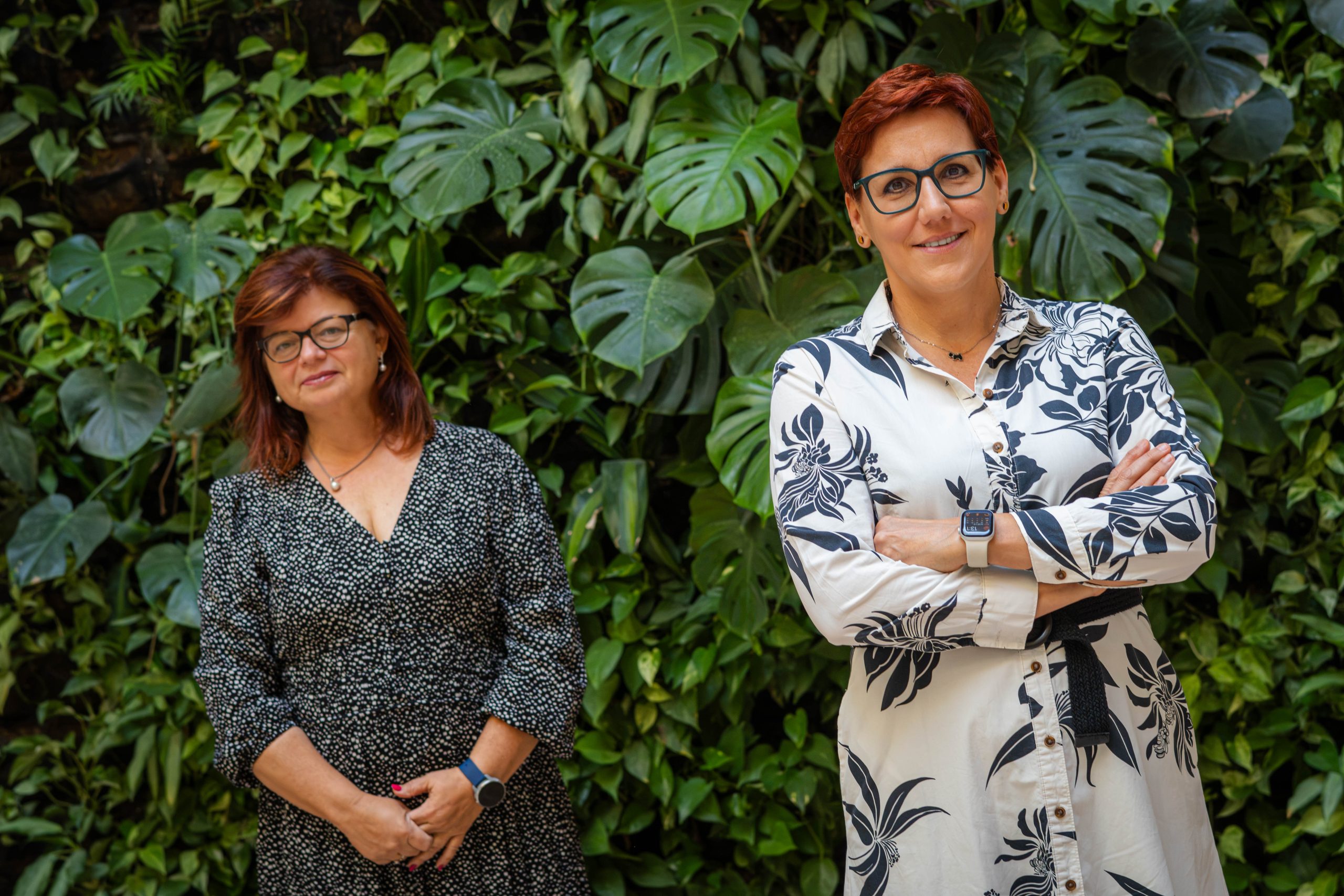
CSU’s Democracy Summit returns Oct. 26-27 with two days of free events exploring politics, pop culture, artificial intelligence and civic engagement. Highlights include a keynote on AI and democracy, conversations with judges and a documentary screening followed by a live Q&A with journalist Amy Goodman.
-
Empathy can help make maternity care safer – here’s how
Poppy Russell’s death was preventable. Her parents’ campaign shows why listening to women and supporting empathy is essential to safer maternity care.
-
Why do some children become seriously ill with COVID? The answer may lie in their genes
Many of the genes our study identified were involved with immune responses.
-
Technology to bolster justice for victims as government responds to Leveson (opens the original)
Victims will see fewer delays under plans for courts to trial the use of Virtual Remand Hearings, as part of a drive to deliver faster justice.
-
China and the EU could turn Morocco into a surprise global hub for electric vehicles
The north African country has attracted huge amounts of investment.
-
Mental health leaves a mark on executives' decisions (opens the original)
Executives diagnosed with anxiety or depression make systematically less efficient investment decisions, new study finds. But one thing appears to help: not leaving the biggest decisions to one person alone.
-
In the clouds (opens the original)
Under a new grant from the NSF, a WashU team will use AI and statistics to study the impact of aerosols on marine low clouds. That knowledge can help communities protect health and prepare for extreme weather.
-
Study Explores Lighter AI Model for Alzheimer’s MRI Assessment (opens the original)
AI systems can help analyse medical images, but some require substantial memory and processing power to perform well. In healthcare and research settings where access to high-end computing resources is limited, this can become a practical barrier. Prof Dr Asokan Vasudevan, Professor at the Faculty of Business and…
-
AI Beyond the Hype. From Intelligence to Epistemia (opens the original)
Tipo Social Youtube Data pubblicazione Venerdì, 2 ottobre 2026 Collegamento https://www.youtube.com/watch?v=FV3Ig4iLAR0 Icona
-
10 University of Liverpool students will each receive a £1,000 grant (opens the original)
We’re delighted to share an opportunity exclusively for University of Liverpool students. Thanks to our partnership with Santander, 10 students will each receive a £1,000 Brighter Futures Grant, giving you extra financial support to use in whatever way works best for you. Whether you put it towards rent, bills, study…
-
Cross-disciplinary Clemson research team earns NSF award to develop science teachers (opens the original)
Steph Dean is leading a research team to cultivate more scientist-educators who can build bridges between classrooms and nature.
-
Donald Trump aligns with Vladimir Putin yet again, leaving Ukraine – and US relations with Europe – under pressure
The US president appears to have made an abrupt about-turn in US policy towards Russia and the Ukraine war.
-
Spinal muscle changes may offer an early clue in dysferlinopathy (opens the original)
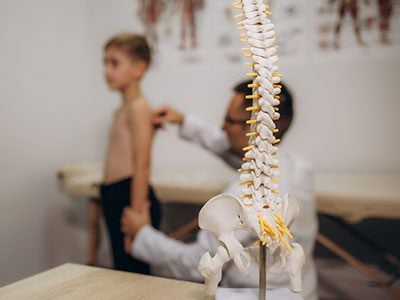
Researchers found that early changes in spinal muscles may help diagnose and track dysferlinopathy before significant leg muscle loss occurs.
-
From simulation to sea: students test autonomous vessel on Åland (opens the original)
Autonomous vessels could one day help researchers monitor water quality, track pollution, and collect environmental data across the archipelago with minimal human intervention.
-
How evidence is building a better youth justice system (opens the original)
A blog by Steph Roberts-Bibby, Chief Executive of the Youth Justice Board, on the Child First decision-making framework
-
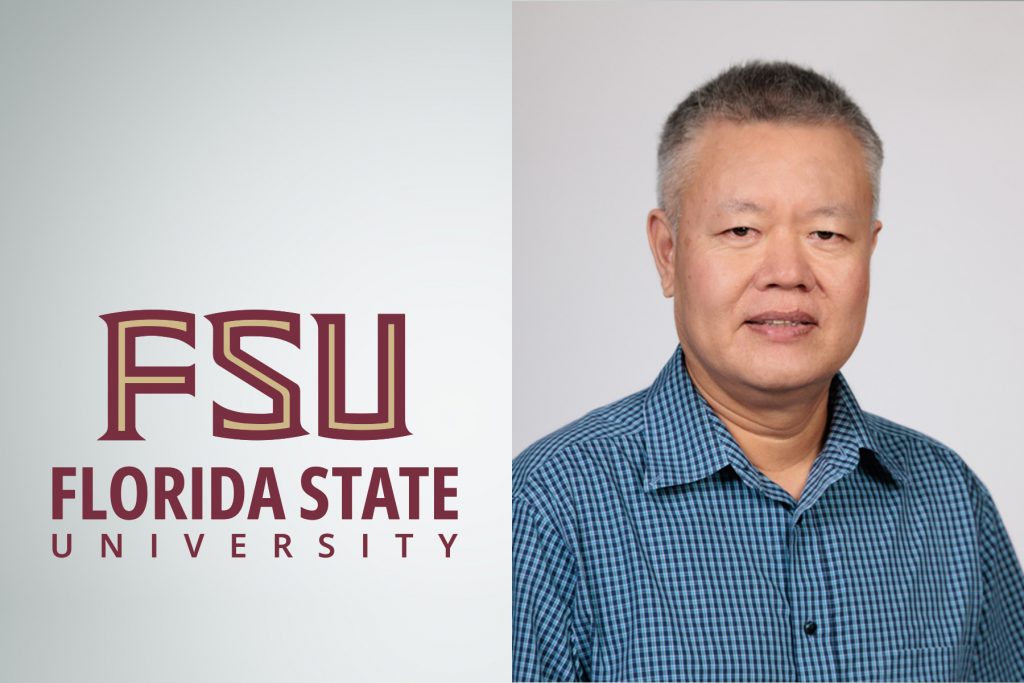
FSU computer scientist appointed National Science Foundation program director (opens the original)
A Florida State University researcher is helping guide national research priorities in artificial intelligence, advanced computing and data systems in
-
Researchers at Luleå University of Technology rank among the top two per cent in the world (opens the original)
Several researchers at Luleå University of Technology feature on the Stanford List, the international ranking that each year highlights the top two per cent of the world’s most cited researchers. This year, ten more researchers from Luleå University of Technology feature on the Stanford list than last year.
-
‘Lazy, weak, bewitched’ – how stigma stops Uganda’s children from getting help, and what schools can do about it
School mental health programmes must address both emotional wellbeing and structural pressures such as poverty, stigma and exclusion.







Read: The Conversation, CORDIS, ESO, NASA, ScienceDaily and the newsroom feeds of 739 institutions. Last read: today. Each story's date is its publisher's. Where the news comes from, and what each source allows.