Science news
Recent stories from university newsrooms, The Conversation, CORDIS, observatories and ScienceDaily, each sorted into the fields, countries and institutions it is about, and each linked to the original publisher. Narrow them below by subject, country, institution, source, words or period. A signed-in reader can follow any filtered view and be told when a new story matches it.
11,989 stories stored from the last six months.
-
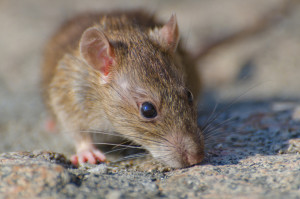
UGM Expert Urges Stronger Rat Surveillance and Health Worker Preparedness Against Plague (opens the original)
Indonesia’s Ministry of Health has increased vigilance at the country’s entry points after reports of a suspected plague outbreak in Irkutsk, Siberia, Russia. The case emerged after a laboratory worker died in circumstances suspected to be closely associated with exposure to Yersinia pestis, the bacterium that causes…
-
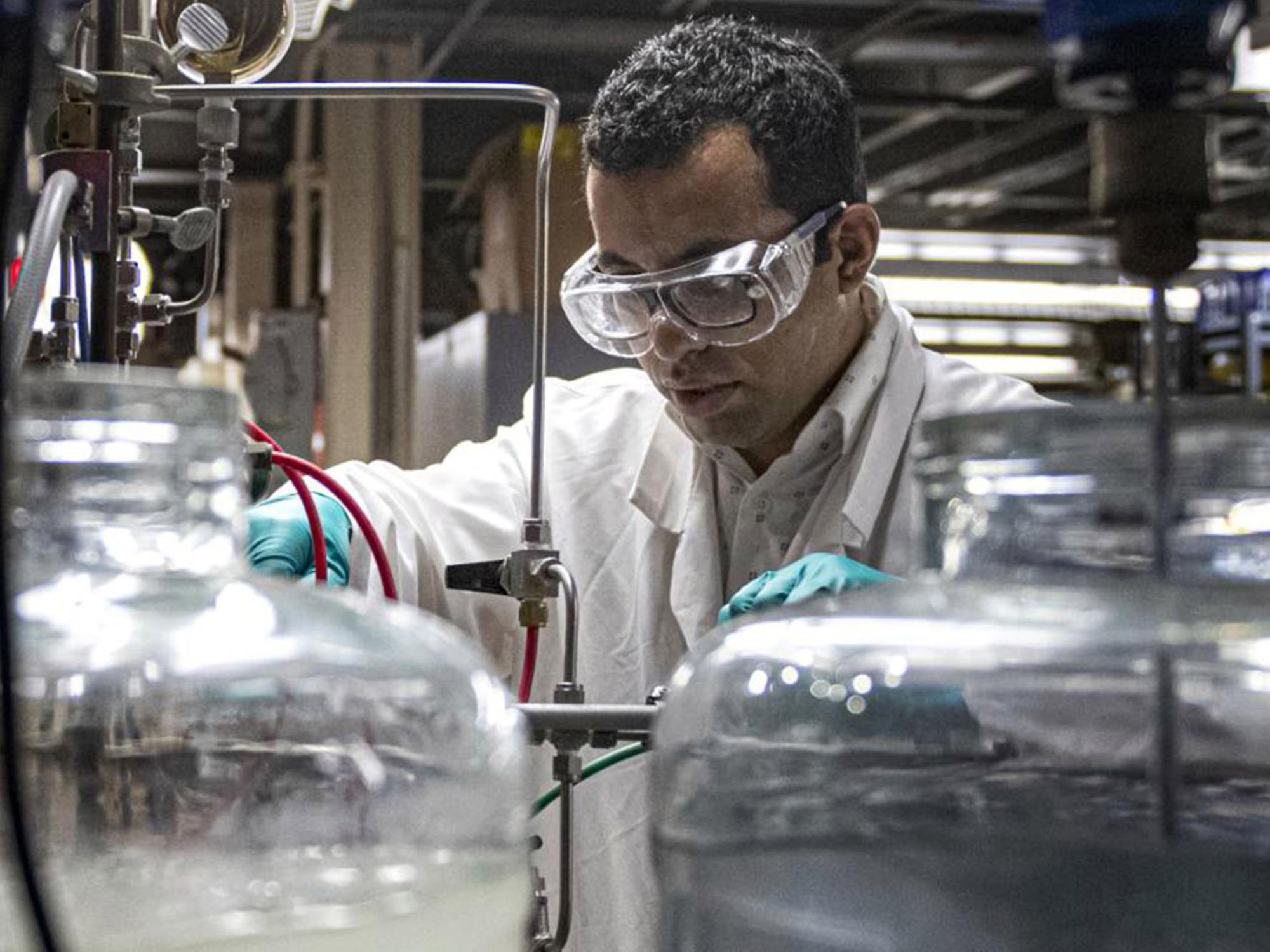
Startup from Penn State research to scale-up domestic critical mineral recovery (opens the original)
Old electronics and solar panels could become a new, domestic source for critical and strategic materials through Intel-E-Waste, a startup whose technology builds on foundational research from Penn State.
-
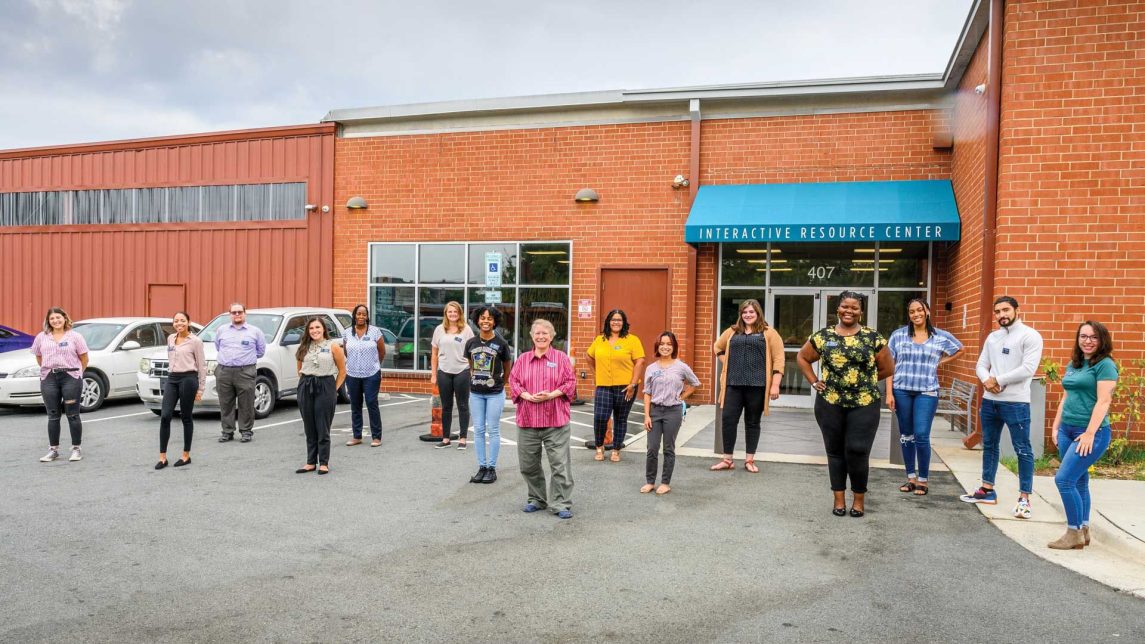
From Nurse to Social Work Professor: Fran Pearson’s Impact on Social Work Education at UNC Greensboro (opens the original)
From nursing to social work education, Fran Pearson has spent nearly two decades helping shape future leaders while building community partnerships that expand care across North Carolina. Discover how her belief in the power of relationships has created a lasting ripple effect at UNC Greensboro and beyond.
-
Participants needed for study on detecting cognitive overload using VR (opens the original)
Participants are being sought for a research study focused on detecting cognitive overload using psychophysiological measures and personality traits.
-
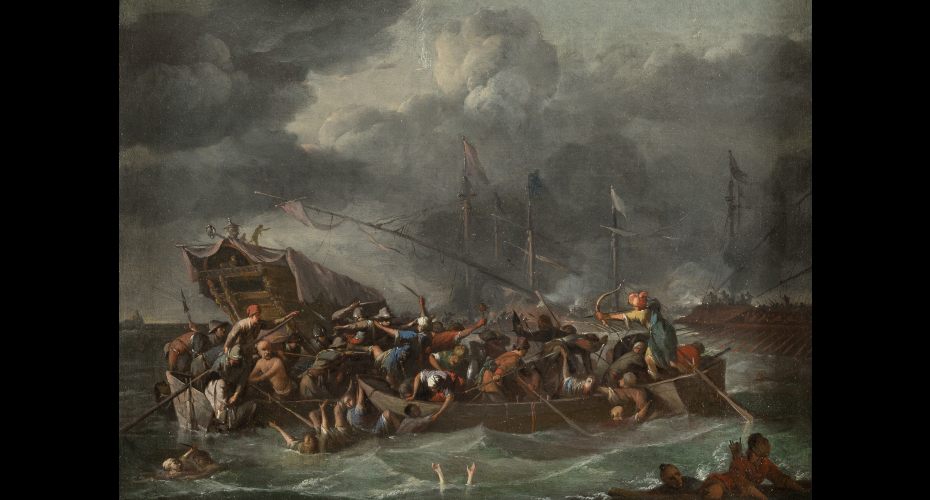
New research challenges folklore of 17th-century corsair raids on South West coastal communities (opens the original)
Historical legends of how thousands of Devonians were kidnapped from their coastal villages by Barbary... New research challenges folklore of 17th-century corsair raids on South West coastal communities appeared first on University of Exeter News.
-
Annual Gala for Life Raises $1 Million to Advance Cancer Research (opens the original)
The 2026 Gala for Life, themed “Garden of Hope,” raised over $1 million dollars for cancer research at the UAMS Winthrop P. Rockefeller Cancer Institute.
-
What 2024’s record-breaking rainfall says about the next El Niño (opens the original)
In a newly published study, UCLA scientists say the stage is set for potentially higher records for extreme rainfall in 2027.
-
Study links brain cancer risk with exposure to elevated concentrations of radon (opens the original)
Long-term tracking of nearly 160,000 people from across the United States suggests that brain cancer risk rises as exposure to radon increases.
-
The Interview: Jaime Carbajal (opens the original)
The Integrated Health Sciences professor has cultivated his career by helping students succeed.
-
Study Offers New Clues About How Genetic Risk for Alzheimer’s Affects Brain Immune Cells (opens the original)
Researchers at the University of Colorado Anschutz and Pacific Northwest National Laboratory have found a new clue that may help explain why some people are more likely to develop Alzheimer’s disease. It suggests that a protein linked to the disease can change how the brain’s immune cells handle fat and trigger…
-
UW researchers among key contributors to new roadmap for future climate assessments (opens the original)
A group of 175 researchers, including eight from the University of Washington, co-authored a commentary published in Earth’s Future and the Bulletin of the American Meteorological Society that provides a roadmap for future climate assessments in the U.S. by synthesizing the science and identifying research priorities…
-
W&M researcher leads study on students’ literacy outcomes under Virginia Literacy Act (opens the original)
Elizabeth Talbott has been awarded a research grant to conduct a longitudinal study of the Virginia Literacy Act.
-
BLE Science Day Explores the Circular Economy in the Built and Lived Environment (opens the original)
On October 29, RWTH’s Built and Lived Environment (BLE) Profile Area and Center for Circular Economy (CCE) will bring together researchers and industry partners to explore opportunities for a more circular built environment. The event is part of Circular Week.
-
New research shows promise for treating hepatitis C in pregnancy (opens the original)
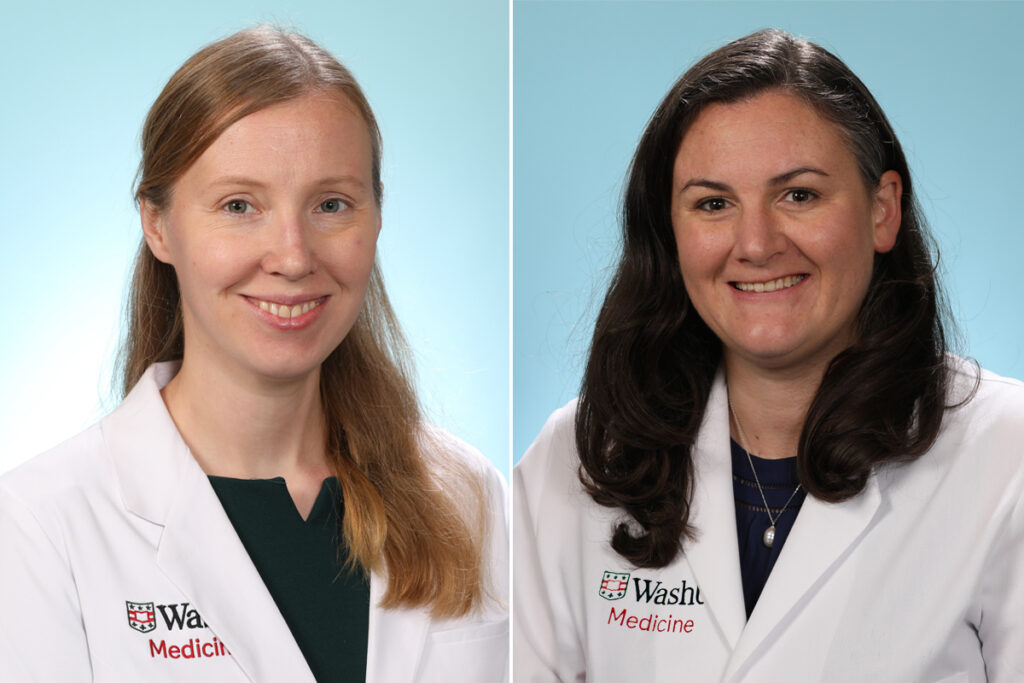
A study led by Laura Marks, MD, and Madeline McCrary, MD, of WashU Medicine, shows that an oral antiviral regimen can be used safely and effectively in pregnant patients with hepatitis C virus.
-
Escape rooms give healthcare students a safe place to get things wrong
Healthcare students need more than knowledge. Learning through play can give them a safe place to make decisions, get things wrong and try again.
-
An overlooked sci-fi movie shows how disruption by AI could be positive for society
The message in the film Annihilation is that disruption by AI needn’t be disastrous for humanity.
-
Beyond the ballot box: How pop culture is reshaping politics and democracy (opens the original)
How does pop culture influence politics? CSU researchers explore how social media, podcasts, influencers and AI are changing democracy and political engagement.







Read: The Conversation, CORDIS, ESO, NASA, ScienceDaily and the newsroom feeds of 739 institutions. Last read: today. Each story's date is its publisher's. Where the news comes from, and what each source allows.