Science news
Recent stories from university newsrooms, The Conversation, CORDIS, observatories and ScienceDaily, each sorted into the fields, countries and institutions it is about, and each linked to the original publisher. Narrow them below by subject, country, institution, source, words or period. A signed-in reader can follow any filtered view and be told when a new story matches it.
10,913 stories stored from the last six months.
-
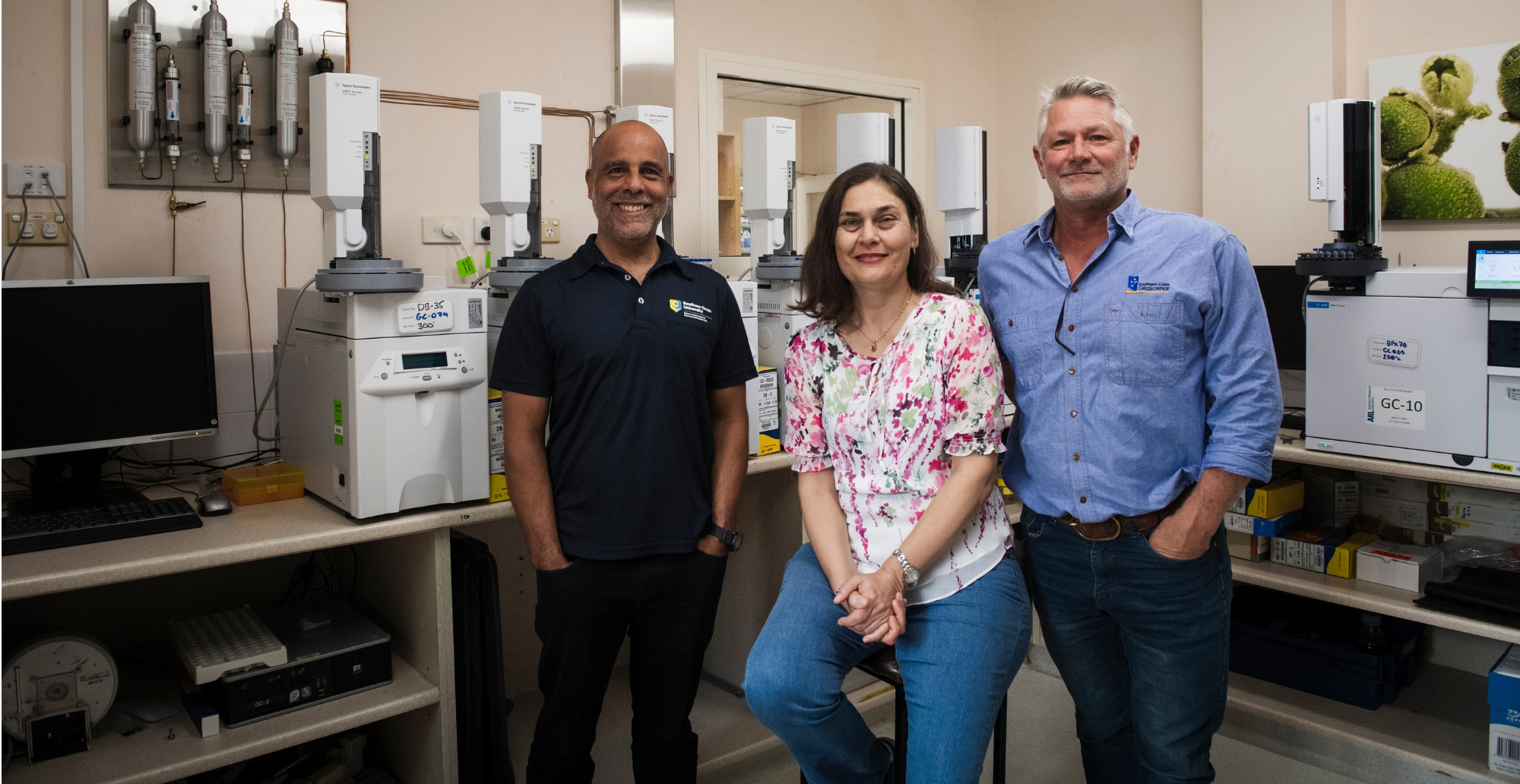
Can we produce low-cost omega-3s without relying on fish? Southern Cross University research backed by a world-renowned foundation (opens the original)
Southern Cross University researchers are aiming to halve the cost of producing omega-3 supplements to make these essential nutrients more accessible to pregnant women and infants in low-income countries, backed by the University’s first-ever grant from The Gates Foundation.
-
Victoria University appoints Aotearoa’s first Chair of Advanced Artificial Intelligence (opens the original)
Te Herenga Waka—Victoria University of Wellington has appointed internationally recognised researcher Professor Prasenjit Mitra as the Bob Dykes Chair in Advanced Artificial Intelligence (AI).
-
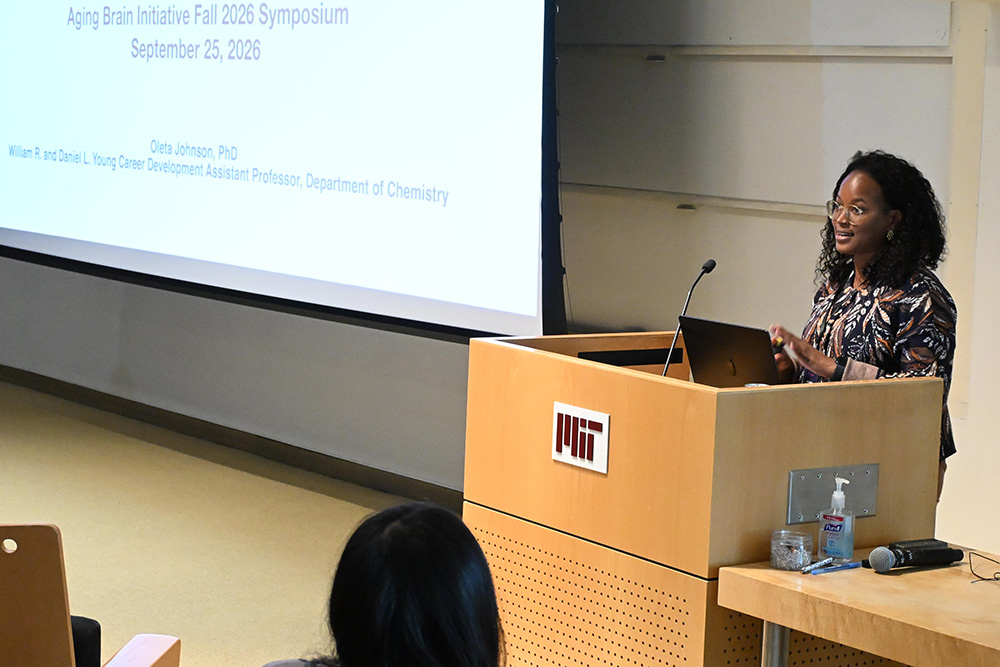
Symposium highlights MIT’s wide range of innovations for aging brain health (opens the original)
In six talks, researchers from across MIT described projects aimed at advancing the understanding of and interventions against neurodegenerative diseases such as Alzheimer’s, Parkinson’s, and ALS.
-
An evolution of time, technology, and teaching (opens the original)
In his inaugural lecture, Genes to genomes: A journey from drift to adaptation, Professor Peter Ritchie traces a research journey through the rapidly changing field of evolutionary genetics. His own personal journey through the field began when he was a child.
-
Life in the deep Gulf plummeted after Deepwater Horizon (opens the original)
A new study has found populations of deep-water fish species, crustaceans and squid declined significantly following the 2010 Deepwater Horizon oil spill.
-
Will social media bans keep kids safe online? (opens the original)
Stream on your favorite podcast platform: YouTube Apple Podcasts Pocket Casts Spotify Social media bans for children are coming into effect around the world, with the aim of protecting young people’s mental health and keeping them safe online. But is social media really causing a mental health crisis in young people?…
-
Clemson accepting applications for research funding (opens the original)
The Division of Research has outlined funding opportunities available with the $500,000 investment allocated by President Ben Ayers.
-
Many vapes and e-cigarettes are now banned in Pennsylvania – here’s what Philly consumers and businesses need to know
Vape products from only six manufacturers can now be sold in Pennsylvania.
-
Literacy, numeracy and problem solving are ‘core elements’ of healthy communities (opens the original)
A mastery of foundational skills like literacy, numeracy and problem solving is important for more than just the job market, new research from McMaster’s Department of Linguistics and Languages shows: It can mean the difference between participating fully in civic life and feeling isolated or disconnected. What’s…
-
Newly renovated Nutrien Lecture Theatre opens in USask’s College of Engineering (opens the original)
A modern learning space for tomorrow’s engineers.
-
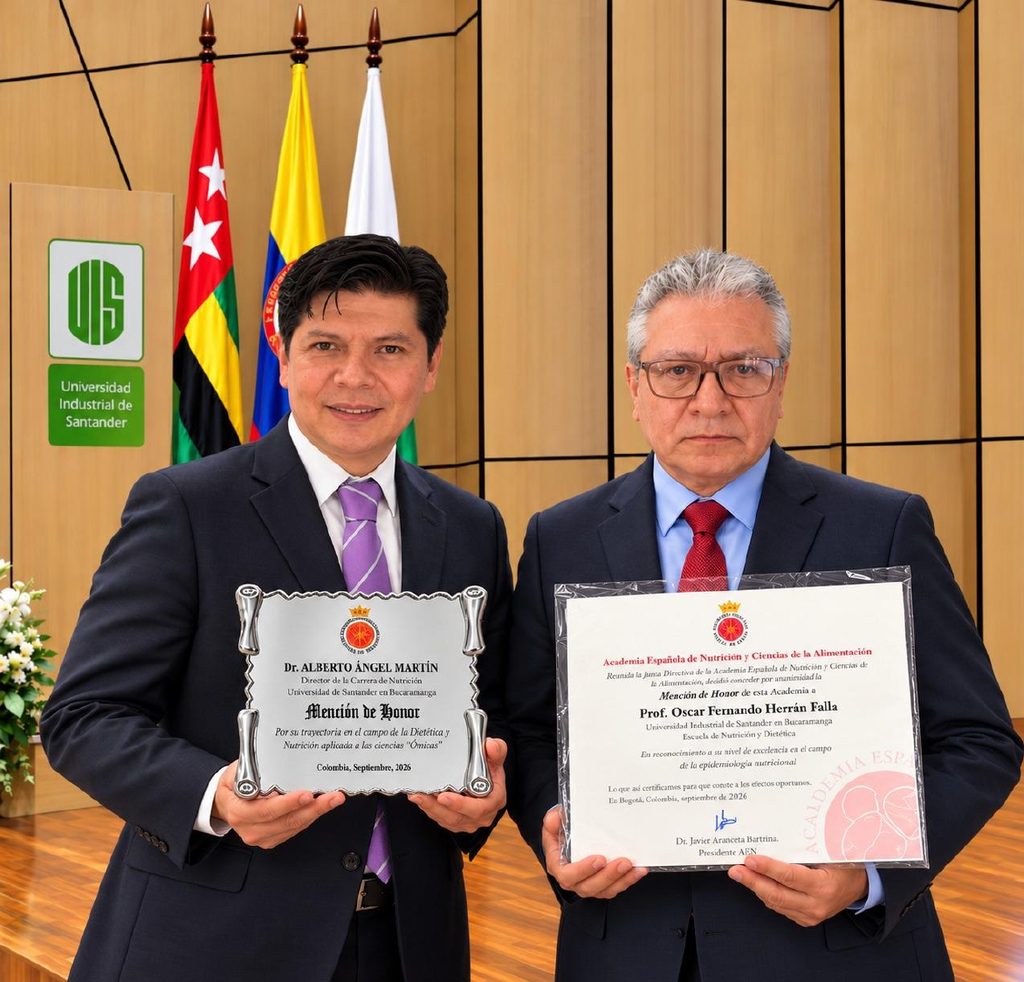
Nutrition Professors Receive Recognition for Their Academic and Scientific Careers (opens the original)
The Spanish Academy of Nutrition and Food Sciences awarded honorable mentions to professors Óscar Fernando Herrán Falla and Alberto Ángel Martín, affiliated with the School of Nutrition and Dietetics, in recognition of their academic and scientific contributions in the fields of nutritional epidemiology, dietetics…
-
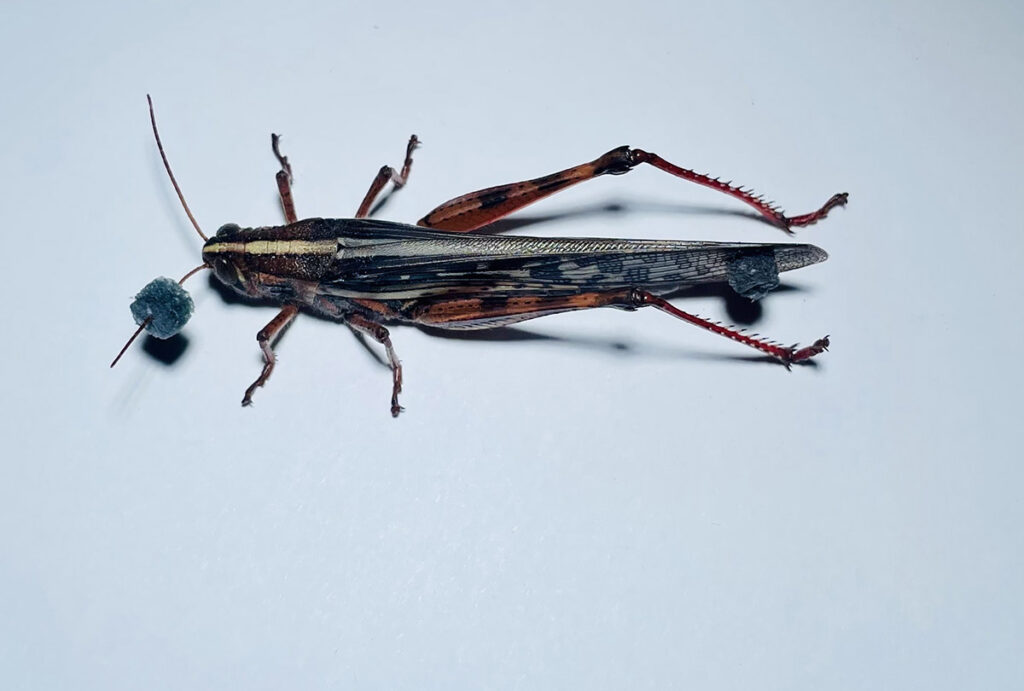
Locusts get a sensory assist from nanomaterials (opens the original)
Researchers from WashU McKelvey Engineering have developed a hybrid system that augments organisms including locusts to serve as sample collectors for chemical vapors. The work has implications for homeland security, environmental and industrial monitoring and healthcare.
-
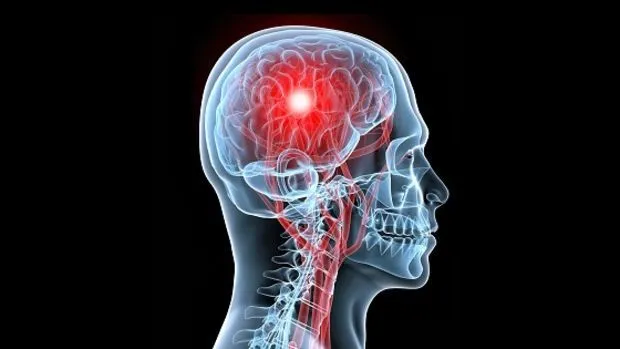
Study Reveals That 3 Out of 10 Patients with a Cerebral Infarction Have Chagas Disease (opens the original)
n Santander, one of the regions of Colombia where Chagas disease has historically been most prevalent, infection with the Trypanosoma cruzi parasite continues to silently claim victims. Although for years this disease was associated solely with heart or digestive system problems, research conducted by the Industrial…
-
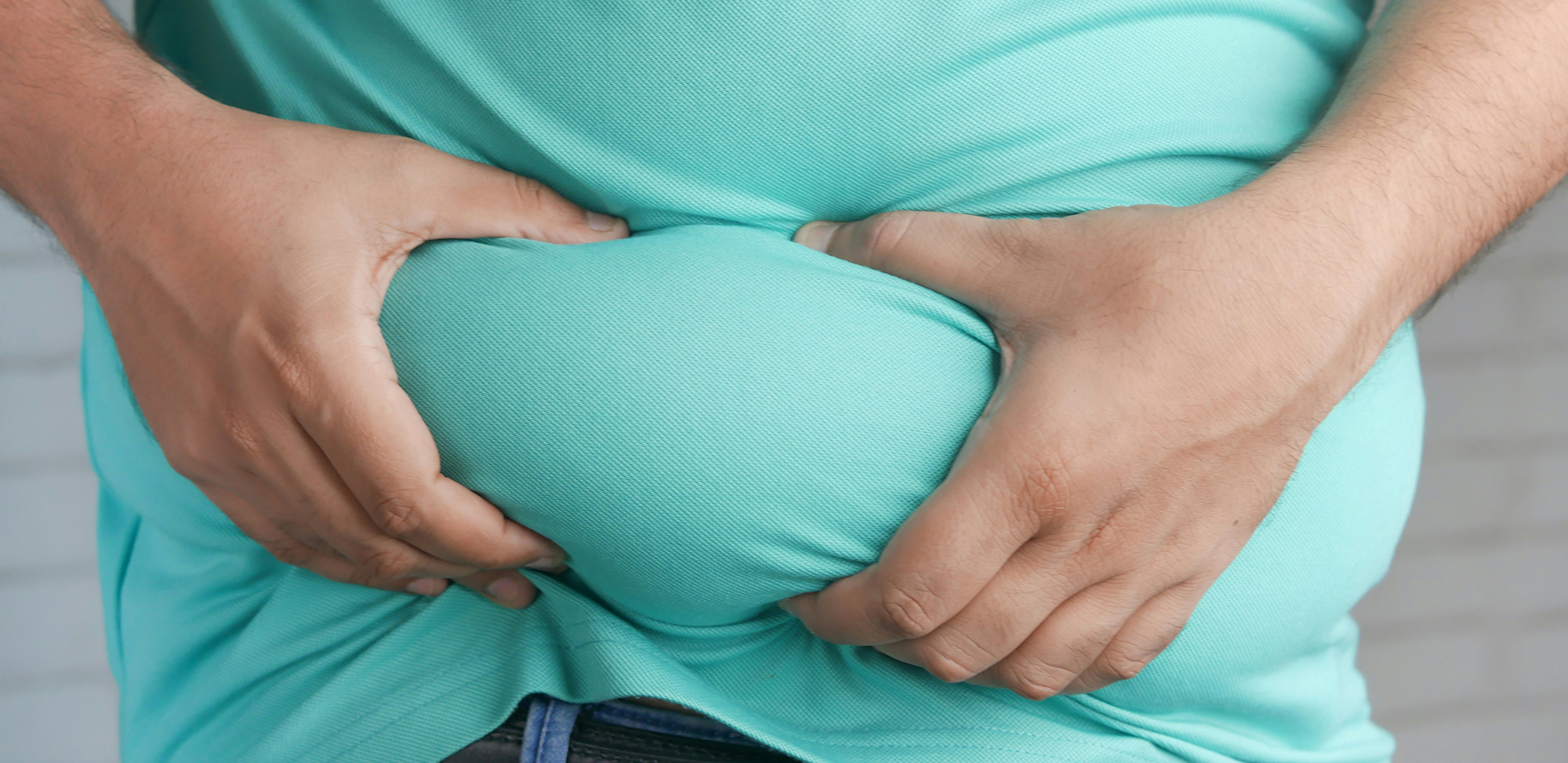
The Conversation: Would subsidising weight loss drugs make health care fairer? (opens the original)
GLP-1 medicines such as Ozempic, Wegovy and Mounjaro have transformed the treatment of obesity, but access to them in Australia increasingly depends on something much less medical: whether you can afford them.
-
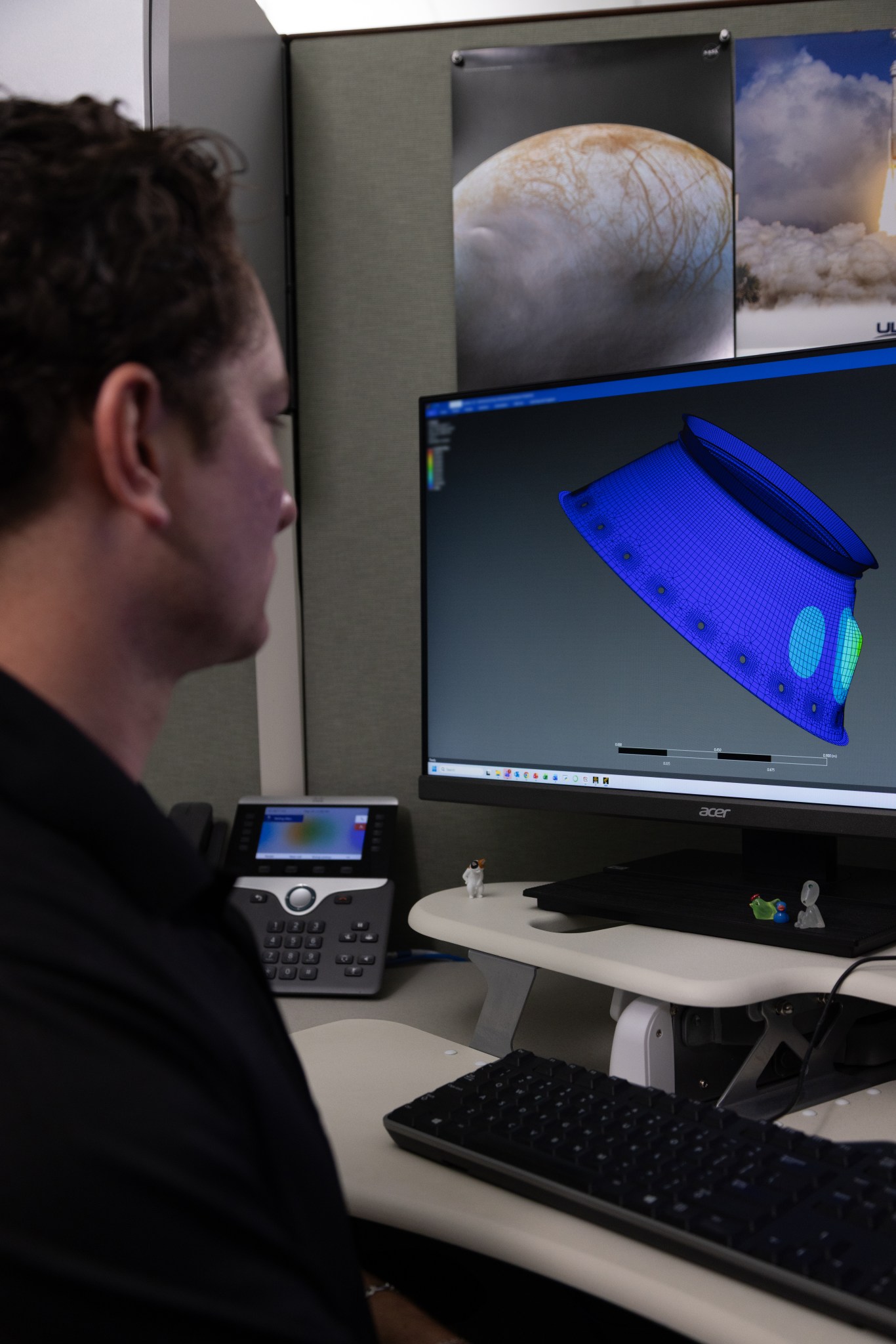
NASA Improves Shock, Vibration Analysis (opens the original)
Rockets vibrate, shake, and flex intensely as they climb into space, and spacecraft packed with delicate scientific instruments must survive those forces. Before any rocket leaves the ground, NASA engineers work to predict how those stresses will affect every part of a spacecraft. To do that, engineers in the Dynamic Environments Group with NASA’s Launch
-
Kaibo Hu wins Philip Leverhulme Prize (opens the original)
Oxford Mathematician Kaibo Hu has won one of this year's prestigious Philip Leverhulme Prizes . The award recognises the achievement of outstanding researchers whose work has already attracted international recognition and whose future career is exceptionally promising.
-
Many Indigenous people now study and teach at Australian universities – but they are still excluded
Indigenous knowledges are still seen by many as peripheral to the dominant Western knowledge system.
-
Feral – and threatened? Endangered camels, banteng and hog deer have found an unexpected refuge in Australia
Wild dromedary herds no longer roam the Sahara, while wild banteng are vanishingly rare in Southeast Asia. Should we protect their feral populations in Australia?
-
New AI shopping agents promise better bargains. But who pays the price?
As AI agents begin shopping on our behalf, there’s a real risk cheaper products could put more pressure on vulnerable workers in global supply chains.





Read: The Conversation, CORDIS, ESO, NASA, ScienceDaily and the newsroom feeds of 748 institutions. Last read: today. Each story's date is its publisher's. Where the news comes from, and what each source allows.